 Save Pin
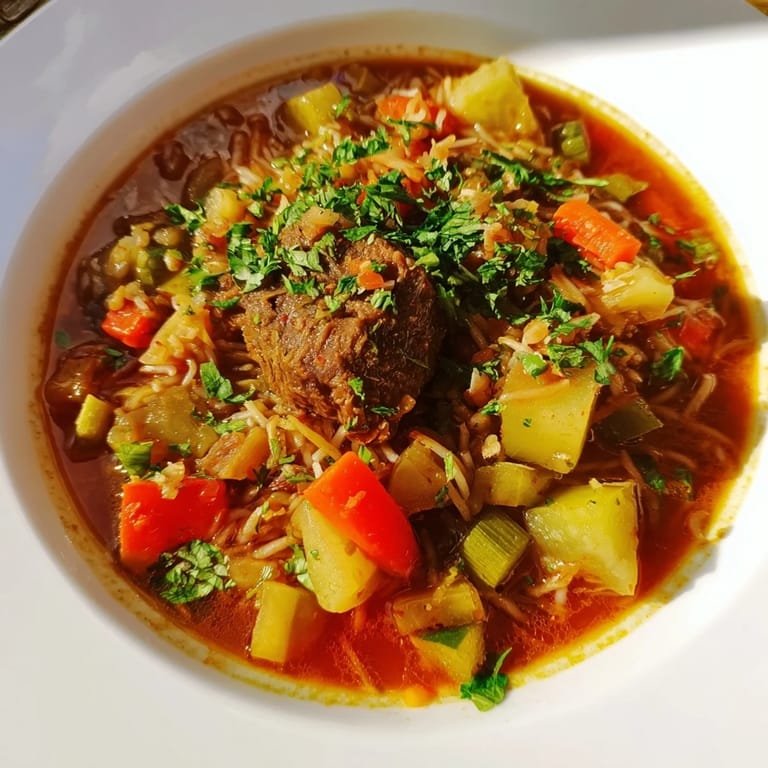
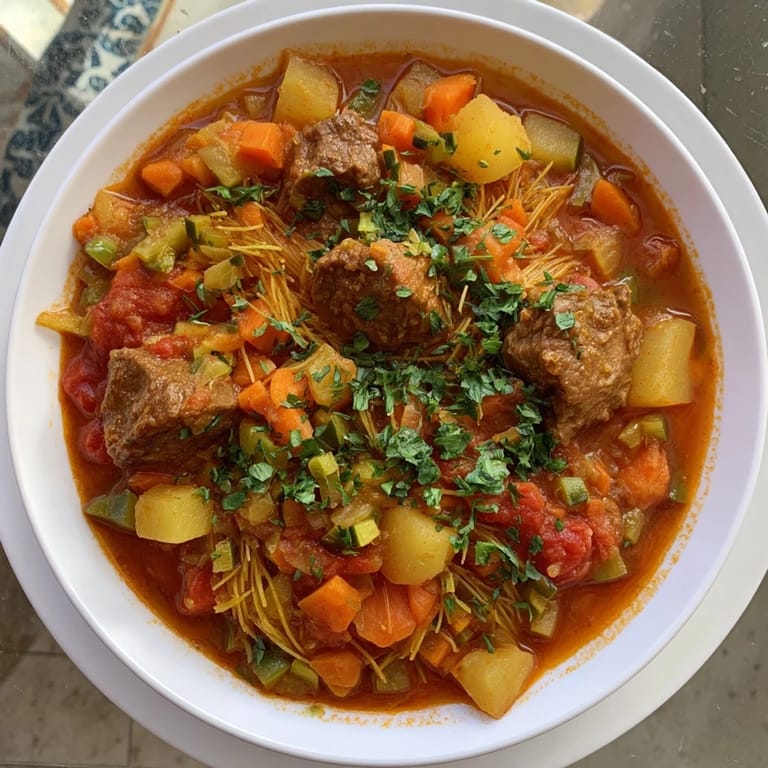
 My neighbor Fatima taught me this soup on a cold January afternoon when she caught me shivering on my balcony. She arrived with a steaming pot of chorba and stayed to show me how she builds the layers of flavor, starting with browning the lamb until it whispers in the hot oil. There's something about watching someone cook their grandmother's recipe that makes you understand food differently. By the time the spices hit the pan, my kitchen smelled like North Africa itself, warm and alive with cumin and cinnamon. I've made it dozens of times since, and it never fails to bring that same feeling of being wrapped in something ancient and welcoming.
I made this for my book club once, tripling the batch because I underestimated how greedily people would eat soup made with actual care. Sarah went back for thirds and asked if I could teach her, which led to us becoming actual friends instead of just people who talked about books. The chorba sat on the table like an invitation to slow down, and for once, nobody rushed through dinner.
Ingredients
- Lamb shoulder, cut into 2 cm cubes (500 g): The meat needs enough marbling to become tender and flavorful; shoulder is forgiving and develops a subtle sweetness as it braises.
- Onion, finely chopped (1 large): This builds the foundation—don't skip the browning step, as it develops a deeper flavor than raw onion could ever provide.
- Carrots and celery, diced (2 of each): These create the aromatic base that makes the broth taste like it's been simmering for days.
- Potato, peeled and diced (1 medium): It softens into the broth and thickens it naturally without any starch needed.
- Zucchini, diced (1): Add this later so it keeps its shape and slight firmness through the soup.
- Fresh tomatoes, peeled and diced, plus canned tomatoes (1 large plus 400 g): The fresh tomato adds brightness while the canned provides body and consistency.
- Garlic cloves, minced (2): Mince finely so it dissolves into the broth rather than appearing in chunks.
- Tomato paste (2 tbsp): Stir this into the hot oil before adding liquid so it caramelizes slightly and loses its harsh edge.
- Fresh coriander and parsley, chopped (1 bunch each): Reserve some for garnish; the fresh herbs at the end taste completely different from what simmers in the pot.
- Ground cumin, coriander, paprika, cinnamon, black pepper, turmeric, and chili flakes: This spice blend is what makes chorba unmistakably itself—warm, slightly sweet, with just enough heat if you want it.
- Salt (1 1/2 tsp): Taste as you go because the broth will concentrate as it simmers.
- Olive oil (2 tbsp): Use a neutral-tasting oil so the spices shine.
- Water or beef stock (1.5 L): Stock makes it richer, but water lets the lamb flavor dominate if you prefer.
- Vermicelli or small soup pasta (60 g): Cook this separately or add it at the very end so it doesn't turn to mush.
Tired of Takeout? 🥡
Get 10 meals you can make faster than delivery arrives. Seriously.
One email. No spam. Unsubscribe anytime.
Instructions
- Brown the lamb until it's golden and patient:
- Heat oil in a large pot over medium heat and let it shimmer before adding the meat. Don't crowd the pan—work in batches if needed so each piece can actually brown instead of steam. This takes about 5 minutes and is the moment the soup's flavor gets built in.
- Cook the aromatics into softness:
- Add the onion, garlic, carrots, celery, and potato to the lamb and stir occasionally for 5 minutes until the vegetables start to release their water and the kitchen fills with that earthy smell.
- Toast the spices until fragrant:
- Stir in the tomato paste, cumin, coriander, paprika, cinnamon, pepper, turmeric, and salt, cooking for 2 minutes so the spices open up and lose their raw edge. You'll know it's ready when the whole mixture looks darker and smells intentional.
- Add the tomatoes and zucchini:
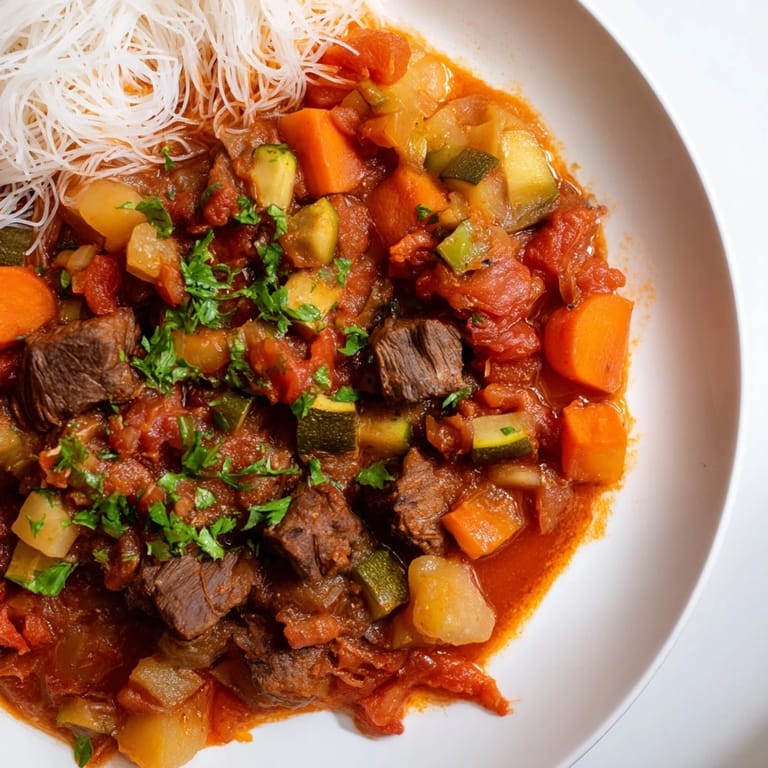
- Mix in both the fresh diced tomato and the canned tomatoes along with the zucchini. The mixture will look chunky and slightly chaotic, but that's exactly right.
- Simmer low and slow until the lamb yields:
- Pour in your water or stock and bring to a boil, then drop the heat to low, cover, and let it bubble gently for 1 hour. Skim any foam that rises in the first few minutes—this isn't necessary for flavor, but it keeps the broth clear and elegant.
- Finish with pasta and herbs:
- Stir in the vermicelli and simmer for 10–12 minutes until it's tender but not falling apart. Taste and adjust salt, then fold in the fresh parsley and coriander just before serving so they brighten everything.
- Serve with intention:
- Ladle into bowls, garnish with reserved herbs, and set out lemon wedges so everyone can squeeze in their own brightness. The soup tastes even better the next day.
 Save Pin
 The first time my daughter came home from university, she walked into the kitchen, smelled this soup simmering, and actually cried a little. She didn't say anything—just sat down at the table and waited for it to be ready. Food memories are strange that way; they hold moments you didn't even know you were saving.
The Spice Balance That Makes It Work
Chorba shouldn't taste spicy or overwhelming; instead, the spices should feel like they're holding hands, creating warmth rather than heat. The cinnamon is the secret player here—it sounds unusual in a savory soup, but it's what gives chorba its distinctive personality. If your first batch tastes flat, it's almost always because the spices weren't toasted properly in step three. That 2-minute window when they're hitting hot oil is when they wake up and become friends instead of individual flavors fighting for attention.
Building Your Own Chorba Tradition
This soup is forgiving enough to adapt to what you have, but structured enough to stay true to itself. Some people add chickpeas for protein, others use chicken instead of lamb for a lighter version. I've made it with whatever vegetables needed to be used before they went bad, and it's never disappointed me. The foundation of browning the meat and toasting the spices stays the same—that's the real recipe—everything else is just decoration.
Making It Your Own While Keeping It Honest
The best version of chorba is the one that tastes like someone cared while making it, not the one that followed every instruction perfectly. I've burned the onions slightly and ended up with deeper flavor. I've forgotten the cinnamon and added it halfway through when I realized something was missing. The soup teaches you as it cooks if you're paying attention. Serve it with crusty bread or flatbread to soak up the broth, and don't forget lemon wedges on the side because that squeeze of brightness at the end is what transforms it from comforting into memorable. A squeeze of lemon enhances all the flavors you've built, making the whole thing taste like itself, only better.
- Make the broth a day ahead if you can—it tastes significantly richer and the flavors have time to marry.
- If you're cooking for someone with wheat allergies, use a gluten-free pasta or skip it entirely and let the vegetables do the work.
- This freezes beautifully for up to three months, so make a double batch on a day when your kitchen can handle the fragrance.
 Save Pin
 This is the soup that reminds you why people gather around tables. Make it for someone you want to feed well, and let it be what brings everyone back to the table tomorrow asking for more.
Questions & Answers
- → What cuts of meat work best for this soup?
Lamb shoulder cubes provide tenderness and flavor when simmered gently over time.
- → Can this soup be made spicier?
Yes, adding more chili flakes or a dash of harissa enhances the heat without overpowering the spices.
- → Is it possible to make a lighter version?
Substituting chicken for lamb reduces richness while maintaining comforting warmth.
- → What type of pasta complements this soup?
Small vermicelli works well, softening nicely during the final simmer.
- → How can I enhance the flavor before serving?
A squeeze of fresh lemon juice brightens the hearty stew, balancing spices and herbs.
- → Are there suggested accompaniments?
Crusty or flatbread pairs perfectly, allowing for dipping and added texture.