 Save Pin
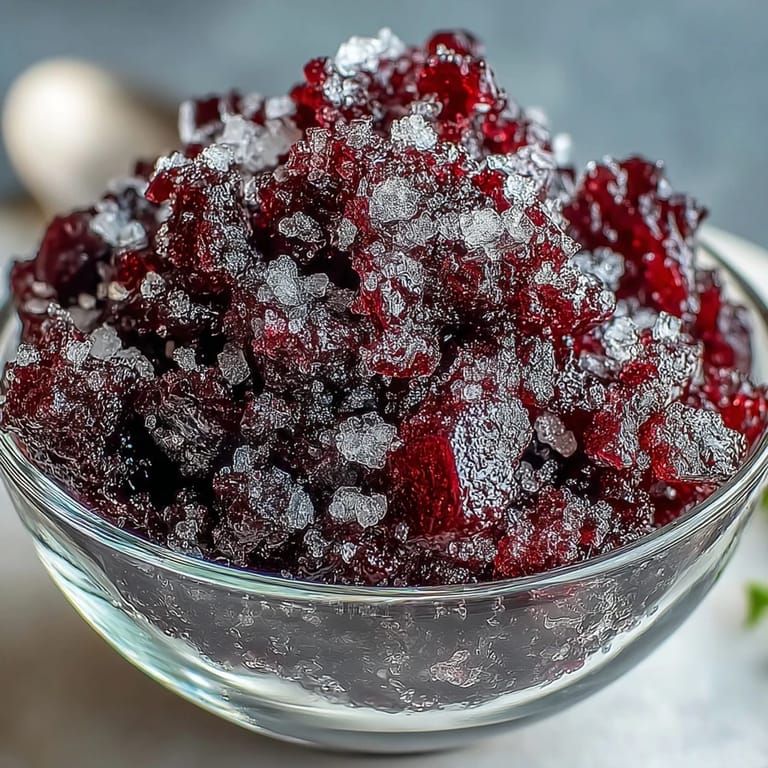
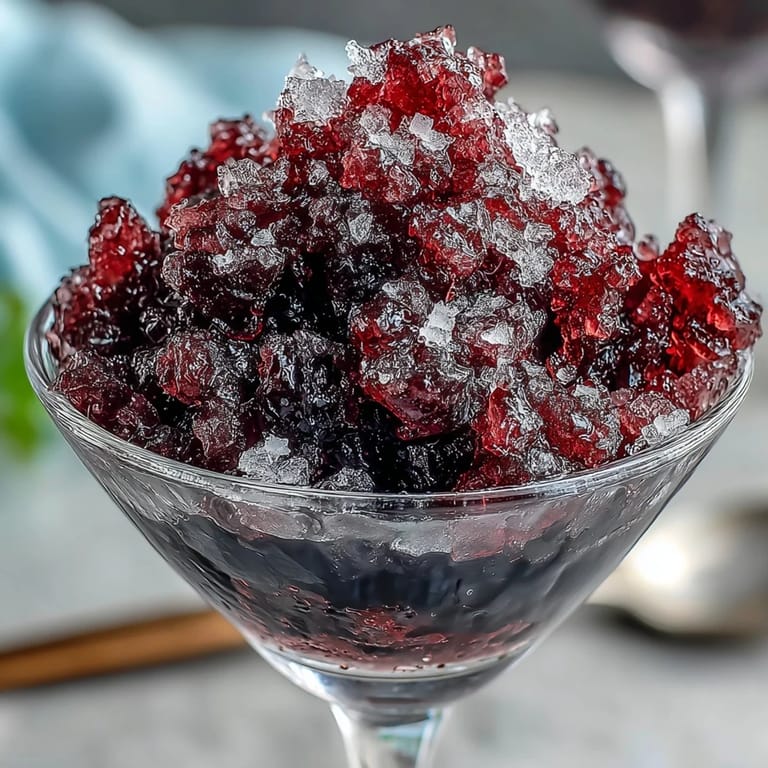
 Black Currant Granita is a refreshing, crystalline frozen dessert bursting with the bold, tangy flavor of black currants. It serves as the perfect treat for warm summer days or acts as a sophisticated palate-cleansing finale to a multi-course meal.
Save Pin This Italian-inspired dessert relies on a simple combination of fruit, sugar, and water, transformed through a process of freezing and scraping to create its signature light and icy texture.
Ingredients
Tired of Takeout? 🥡
Get 10 meals you can make faster than delivery arrives. Seriously.
One email. No spam. Unsubscribe anytime.
- 500 g (about 3 cups) fresh or frozen black currants
- 150 g (3/4 cup) granulated sugar
- 400 ml (1 2/3 cups) water
- 1 tablespoon freshly squeezed lemon juice
Instructions
- Step 1
- Rinse the black currants thoroughly. If using fresh currants, remove stems.
- Step 2
- In a medium saucepan, combine the black currants, sugar, and water. Bring to a simmer over medium heat. Stir occasionally until the sugar dissolves and the currants burst, about 10 minutes.
- Step 3
- Remove from heat and let cool slightly.
- Step 4
- Puree the mixture using a blender or immersion blender until smooth.
- Step 5
- Strain the puree through a fine-mesh sieve into a large bowl, pressing to extract as much juice as possible. Discard seeds and skins.
- Step 6
- Stir in the lemon juice.
- Step 7
- Pour the strained mixture into a shallow metal baking dish.
- Step 8
- Place in the freezer. After 45 minutes, use a fork to scrape and break up any icy edges. Return to the freezer.
- Step 9
- Every 30–45 minutes, scrape and fluff the mixture with a fork until the granita is fully frozen and fluffy, about 4 hours total.
- Step 10
- Serve immediately in chilled glasses or bowls.
Zusatztipps für die Zubereitung
For the best texture, use a shallow metal baking dish as it conducts cold efficiently. Be sure to stick to the scraping schedule; fluffing the mixture with a fork every 30 to 45 minutes prevents it from freezing into a solid block of ice.
Varianten und Anpassungen
For an adult twist, add 2 tablespoons crème de cassis or black currant liqueur to the mixture before freezing. This not only deepens the flavor but also yields a slightly softer ice crystal.
Serviervorschläge
Garnish the finished granita with fresh mint or a few whole black currants for added flair. To maintain the crystalline structure longer, serve the dessert in pre-chilled glasses or white ceramic bowls.
 Save Pin
 This dessert is a light choice with approximately 112 calories, 28g of carbohydrates, and 1g of protein per serving. Its vibrant purple hue and tangy profile make it a standout addition to any summer menu.
Questions & Answers
- → What is the texture of granita compared to sorbet or ice cream?
Granita has a coarser, crystalline texture that's fluffier and more icy than sorbet. The manual scraping process creates delicate ice crystals rather than the smooth, churned consistency of ice cream or sorbet. Each spoonful offers a refreshing crunch that melts quickly on the tongue.
- → Can I use frozen black currants instead of fresh?
Absolutely. Frozen currants work perfectly since they'll be cooked down anyway. There's no need to thaw them first—simply add them directly to the saucepan with the sugar and water. The freezing process actually helps break down the fruit, making them easier to puree and strain.
- → How far in advance can I make this?
You can prepare the mixture and freeze it up to 2 days ahead. The texture actually improves after the first 24 hours. Before serving, simply fluff it with a fork to restore the crystalline structure. Keep it covered in the freezer to prevent ice crystals from absorbing other food odors.
- → What's the purpose of straining the mixture?
Straining removes the skins, seeds, and any fibrous bits, ensuring a smooth, uniform texture. This step is crucial for achieving that fine, crystalline consistency throughout. Press firmly against the sieve to extract maximum juice and flavor before discarding the solids.
- → Can I reduce the sugar content?
You can reduce sugar slightly, but keep in mind that sugar doesn't just sweeten—it also affects texture. Too little sugar results in hard, icy chunks rather than flaky crystals. For a natural alternative, try honey or maple syrup, though this will slightly alter the flavor profile.
- → What other fruits work well for granita?
This method works beautifully with berries, stone fruits, citrus, and even coffee or chocolate. The key is using flavorful fruits that can stand up to the freezing process. Tart fruits like cranberries, raspberries, or sour cherries particularly shine in this format.