 Save Pin
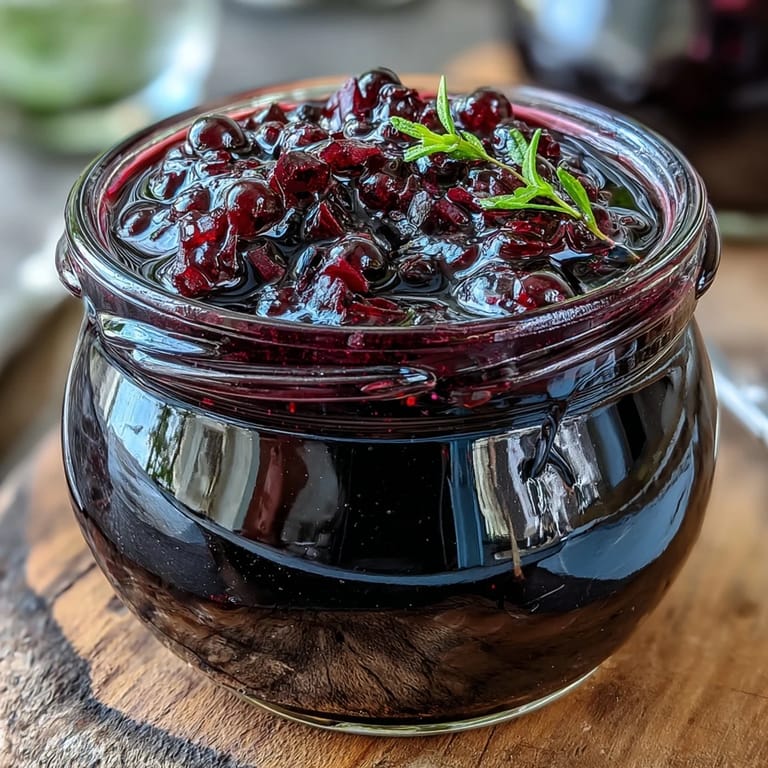
 There's a particular afternoon I won't forget—standing in a farmer's market with a bottle of black currant juice in hand, wondering what on earth I'd do with something so intensely tart. A vendor nearby was selling the most beautiful mixed greens, and somehow the idea struck: what if I made a dressing that leaned into that dark, almost wine-like tartness instead of fighting it? That day changed how I approach salad entirely.
I made this for a dinner party once where I was genuinely nervous about the menu, and someone actually asked for the recipe before dessert arrived. That's when I knew it wasn't just good—it was the kind of thing people remember. Now it's become my go-to when I want to impress without stress.
Ingredients
- Black currant juice: Use unsweetened juice—it's the star here, bringing a deep berry tartness that makes this dressing unmistakably itself.
- Red wine vinegar or apple cider vinegar: Either works beautifully; red wine vinegar keeps things elegant while apple cider adds a touch more roundness.
- Fresh lemon juice: This brightens everything and keeps the dressing from feeling one-dimensional.
- Extra virgin olive oil: Don't skip the quality here—good oil is what makes this emulsion smooth and silky.
- Dijon mustard: Just a teaspoon acts as your secret emulsifier and adds a whisper of complexity.
- Honey or maple syrup: Optional, but worth having nearby if you find the tartness overwhelming at first.
- Shallot: Finely minced means it melts into the dressing rather than overwhelming it with raw bite.
- Sea salt and freshly ground black pepper: These aren't afterthoughts—they're your final adjusters that make everything sing.
Tired of Takeout? 🥡
Get 10 meals you can make faster than delivery arrives. Seriously.
One email. No spam. Unsubscribe anytime.
Instructions
- Build your flavor base:
- In a medium bowl, whisk together the black currant juice, vinegar, lemon juice, Dijon mustard, your sweetener if using it, shallot, salt, and pepper. Take a moment to really mix these together—you want everything incorporated before the oil arrives.
- Emulsify slowly:
- Here's where patience matters: drizzle the olive oil in a thin stream while whisking constantly. This slow incorporation is what transforms separated ingredients into a silky, cohesive dressing that actually clings to greens.
- Taste and adjust:
- This is non-negotiable—take a spoon, taste it on a leaf of lettuce if you have some nearby, and decide if you need more salt, pepper, or that touch of sweetness. Everyone's palate is different, and this is your moment to make it yours.
- Store with care:
- Use immediately for the best texture, or pour into a clean jar with a tight lid and refrigerate. It'll keep for a week, though you'll need a good shake before each use since the oil and liquid naturally want to separate.
 Save Pin
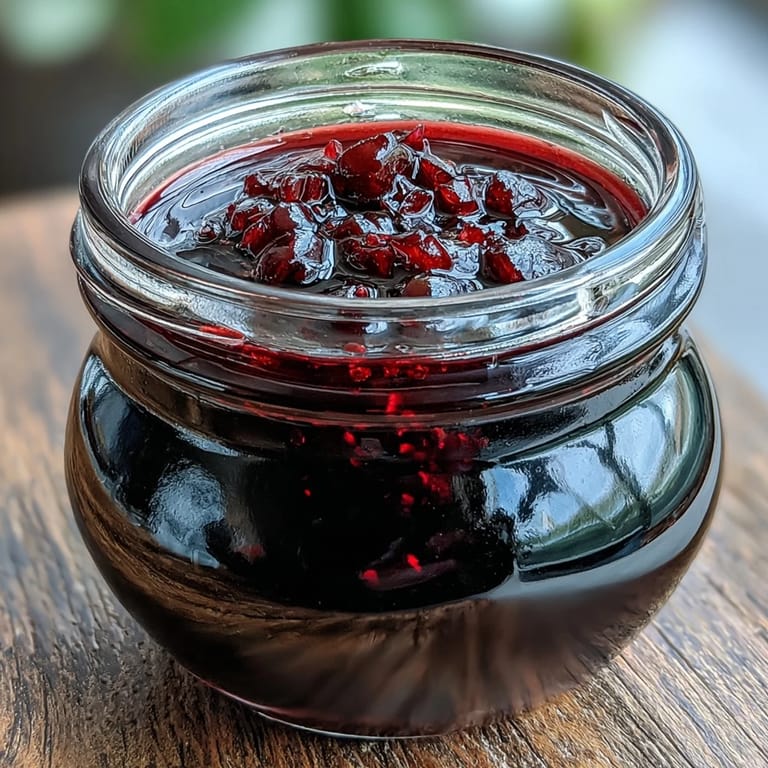
 There was a moment during a quiet weeknight dinner when someone said the salad tasted like fall in a bowl—that deep, dark fruit flavor paired with the earthiness of fresh greens. That's when I realized this dressing does something most don't: it makes you actually savor your salad instead of rushing through it.
Where This Dressing Truly Shines
Over tender mixed greens with crumbled goat cheese and toasted walnuts, this vinaigrette is absolutely magic. The tartness of the black currant cuts through the richness of the cheese while the earthiness of the walnuts anchors everything. I've also discovered it's phenomenal over roasted beets and bitter greens like arugula or frisée, where the fruit notes seem to play beautifully against those assertive flavors.
Beyond Salads
What surprised me most was how this dressing works outside the salad bowl entirely. Drizzle it over warm grain bowls with roasted vegetables, use it to glaze grilled salmon or chicken, or whisk a spoonful into Greek yogurt for a quick dip. The black currant juice gives you a finished, almost wine-inspired flavor that feels far more sophisticated than the five minutes it took to make suggests.
Substitutions and Variations
If black currant juice isn't sitting in your pantry—and honestly, it wasn't in mine until recently—pomegranate or cranberry juice are both worthy stand-ins, though they'll shift the flavor slightly toward different kinds of brightness. You can also experiment with different vinegars: balsamic brings sweetness, champagne vinegar adds delicacy, and white wine vinegar keeps things light and clean. The bones of this dressing are flexible enough to welcome your own discoveries.
- Swap the shallot for finely minced red onion if you prefer something sharper and more pronounced.
- A touch of whole grain mustard instead of Dijon adds texture and a slightly earthier presence.
- If you prefer a thicker, creamier texture, whisk in a teaspoon of Dijon mustard before adding the oil—it acts as a natural emulsifier.
 Save Pin
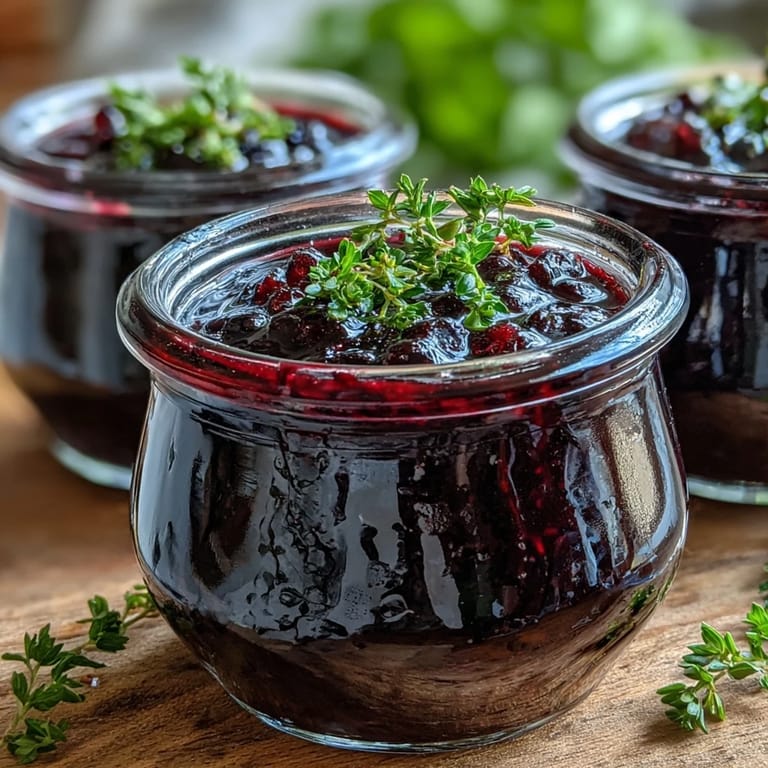
 This dressing has become one of those things I keep on hand for moments when I want dinner to feel intentional without requiring effort. It's proof that simplicity done well is always worth the space in your jar.
Questions & Answers
- → What does black currant vinaigrette taste like?
The vinaigrette delivers a bold, tart profile with fruity depth from the black currant juice. The vinegar adds brightness while olive oil provides richness, creating a balanced dressing that's both zesty and smooth.
- → How long does homemade vinaigrette last?
Store in an airtight jar in the refrigerator for up to 1 week. The oil may solidify when cold—simply let it sit at room temperature for a few minutes and shake vigorously to recombine before using.
- → What salads pair well with black currant dressing?
This vinaigrette shines over bitter greens like arugula or spinach, complements roasted vegetables beautifully, and adds brightness to grain salads with quinoa or farro. It also pairs wonderfully with goat cheese or roasted beets.
- → Can I make this without honey?
Absolutely. The honey helps balance the tartness but isn't essential. If you prefer a sharper dressing or want to keep it completely savory, simply omit the sweetener or substitute with a pinch of sugar.
- → What can substitute black currant juice?
Pomegranate or cranberry juice work beautifully as alternatives, offering similar tartness and deep color. These substitutions maintain the fruity acidity while providing slightly different flavor profiles.
- → Why strain the shallots?
Straining creates a silky, smooth texture ideal for delicate salads. However, leaving the minced shallot intact adds texture and bursts of flavor—choose based on your preference and the dish you're preparing.