 Save Pin
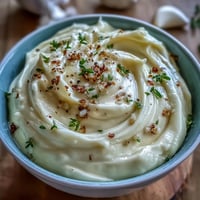
 There are rare kitchen moments when efficiency meets luxury, and this blender hollandaise is exactly that. Last spring, I found myself cobbling together brunch on a whim, juggling crispy bacon and a chaotic stovetop, when I remembered how fussy hollandaise could be. My stress evaporated the moment I blitzed this sauce together: the blender whirred, the aroma of hot melted butter hit the air, and in less than three minutes, I had the silkiest drizzle imaginable. It felt a bit mischievous, almost like I was skipping an intimidating step—except the outcome was perfect. Even the skeptical eaters around the table agreed: this was an upgrade worth keeping in the brunch arsenal.
The first time I made this for a family Easter brunch, I expected the usual kitchen parade of last-minute scrambling. Instead, we were sitting down early, laughing about my usual tendency to overcomplicate sauces. Everyone scooped extra onto asparagus and poached eggs, barely believing something so fancy came from the blender. My uncle asked for the trick—and I almost didn't confess how quick it was. There’s a certain thrill in demystifying a classic, especially with good company.
Ingredients
- Unsalted butter: Use the best you can find; hot and freshly melted butter makes the sauce turn lush and glossy.
- Large egg yolks: Start with room temperature eggs for a smoother blend and silkier mouthfeel.
- Fresh lemon juice: The zing balances the richness and tastes brighter than bottled juice—don’t skip it.
- Dijon mustard (optional): I add a dab for insurance against splitting, but you can leave it out for a more classic flavor.
- Salt: A small but crucial player; adjust to your taste after blending.
- Cayenne or black pepper: Just a pinch for a faint kick and color—nothing overpowering.
Tired of Takeout? 🥡
Get 10 meals you can make faster than delivery arrives. Seriously.
One email. No spam. Unsubscribe anytime.
Instructions
- Melt the butter:
- Cut the butter into pieces and melt it in a small saucepan or microwave-safe bowl until it’s hot and bubbling, but not browned. The sizzle lets you know it’s ready to go.
- Load the blender:
- Add the egg yolks, fresh lemon juice, Dijon (if using), salt, and cayenne or black pepper to the blender. The mixture will look pale and watery at first—don’t worry.
- Initial blend:
- Put the lid on and blend everything on medium speed for 10 seconds. This brings up the temperature a touch and combines the flavors.
- Slowly add butter:
- With the blender running on low, drizzle in the hot melted butter steadily and slowly. Watch as the sauce thickens and takes on a silky, creamy sheen—it usually happens fast.
- Finish and serve:
- Stop the blender, taste for salt and lemon, and adjust if you want. Pour it over your eggs, vegetables, or fish right away for the dreamiest texture.
 Save Pin
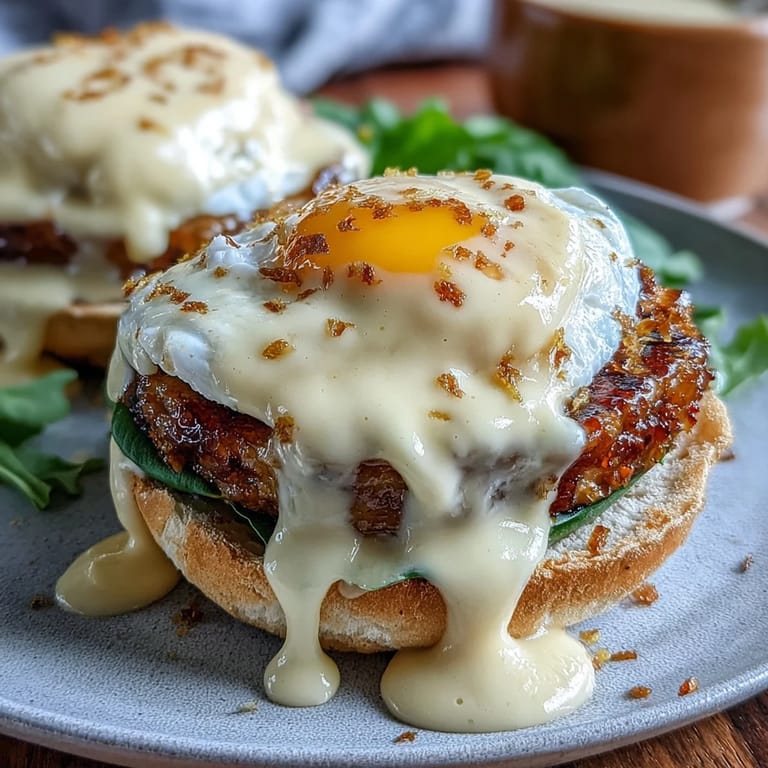
 On a rainy Saturday, I whisked up this hollandaise in disbelief at how effortless it was, and for a brief moment, it felt like a kitchen superpower. Watching friends go quiet mid-bite—as if tasting hollandaise on asparagus for the first time—reminded me why sharing food can be so much fun. Their praise made me realize this recipe was about the shared experience as much as the sauce itself.
Making It Work for Any Occasion
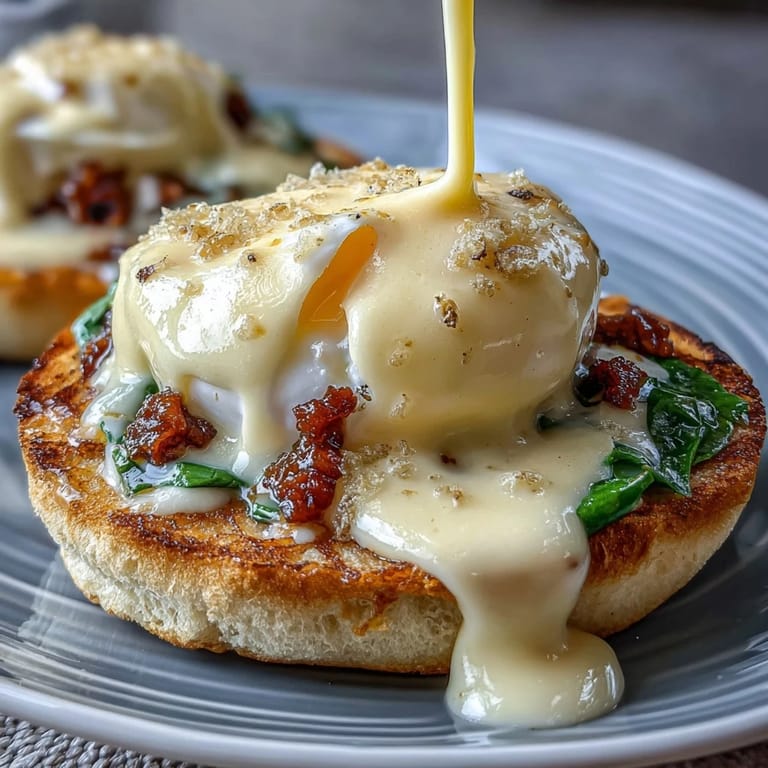
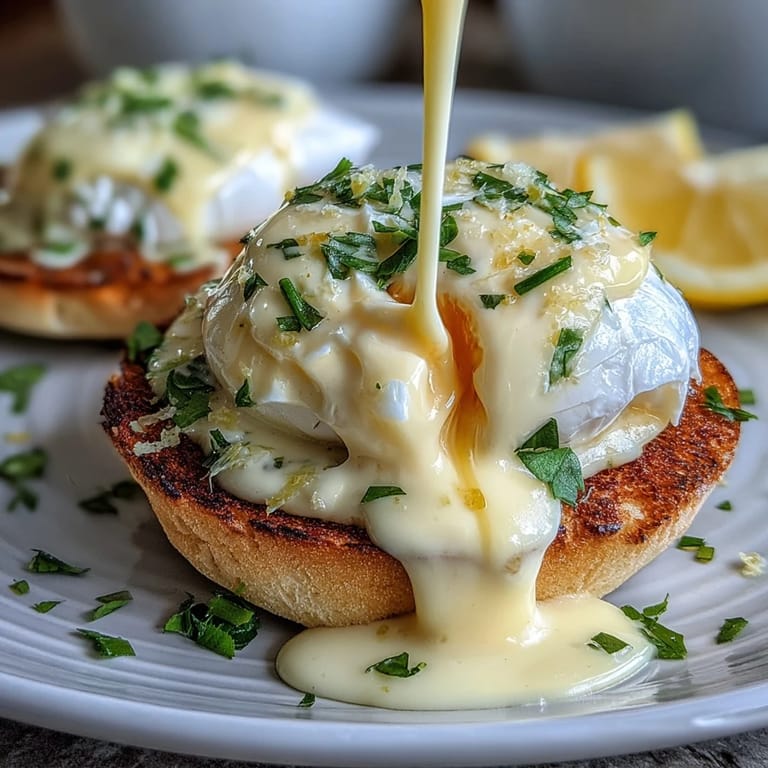
This sauce isn’t only for special occasions—a surprise midweek eggs Benedict makes even a Tuesday feel like a small celebration. If you’re low on time or serving a crowd, the blender version means no more double boilers or split disasters. The ease of cleanup is a serious bonus—just rinse and go.
Keeping Your Sauce Perfect
If your hollandaise thickens a little too much, a drizzle of hot water brings it right back to pouring consistency. I found that sitting the blender jug in a bowl of warm (not hot) water keeps it silky until you’re ready to serve. If it does split, don’t panic—a burst of blending with a touch more lemon juice almost always saves the day.
Easy Twists and Serving Ideas
Once you’ve mastered the base, riff away: stir in fresh tarragon for a Béarnaise vibe, or swap in smoked paprika for warmth. It’s incredible drizzled on steamed artichokes, roasted potatoes, or grilled salmon, so don’t stop at breakfast! My favorite moments are always those of delighted surprise when someone tries it outside the classic eggs Benedict context.
- If making ahead, keep the sauce warm in a thermos.
- For a lighter sauce, try half butter and half mild oil.
- Remember: taste for salt and lemon right at the end.
 Save Pin
 Hollandaise doesn’t have to be intimidating or reserved for special occasions—once you try this, you’ll find yourself inventing excuses to make it. Wishing you plenty of golden, velvety pours and happy brunch memories ahead.
Questions & Answers
- → How does the blender method create a smooth hollandaise?
The blender rapidly emulsifies egg yolks and acid while you slowly pour in hot butter; the steady stream and blade motion trap fat droplets in the yolks, creating a stable, silky sauce in seconds.
- → Can I use whole eggs instead of yolks?
Whole eggs can work but yield a thinner, slightly less stable emulsion. For the classic richness and thickness stick to yolks, or add a teaspoon of mustard for extra stability if using whole eggs.
- → What prevents the sauce from splitting?
Match temperatures: butter should be hot but not browned and yolks slightly warmed. Pour the butter very slowly with the blender running, add mustard or a splash of warm water to rescue a thinning sauce, and avoid overheating.
- → Can I swap butter for another fat?
Clarified butter keeps flavor and adds stability; use half neutral oil and half butter for a lighter finish. Pure vegetable oil will alter the classic taste but still produce an emulsion.
- → How long can the sauce be held and how to reheat?
Best used immediately. To hold briefly, place the blender jug in a bowl of warm (not hot) water. To gently reheat, whisk over a low warm water bath or add a little hot water while blending to restore texture.
- → Is it safe to serve with raw yolks?
Use fresh, properly handled eggs or pasteurized yolks if safety is a concern, especially for vulnerable guests. The brief contact with hot butter warms the sauce but may not fully cook yolks to high temperatures.