 Save Pin
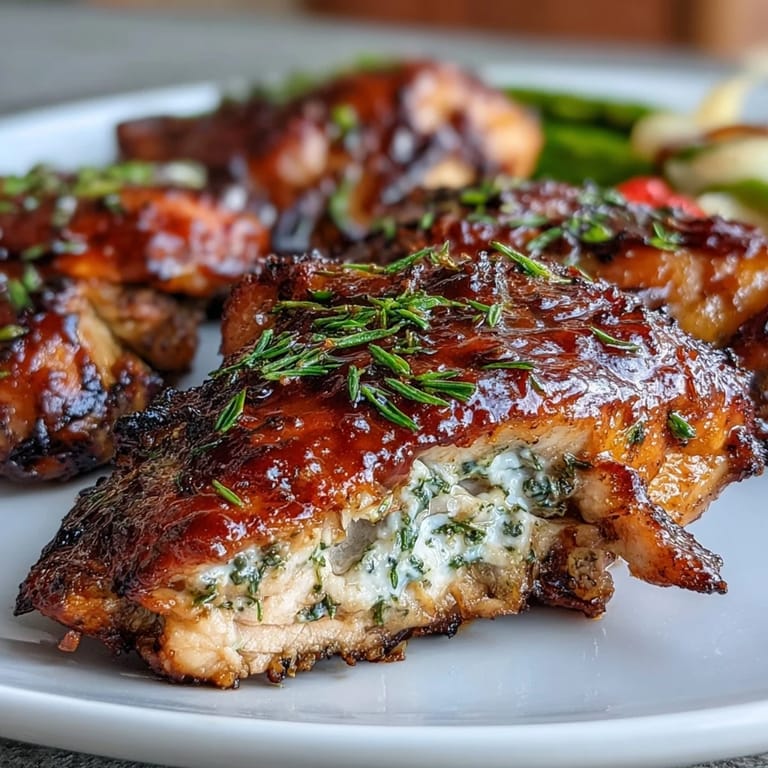
 There's something almost magical about opening the oven door on a sheet pan dinner and having all that color and steam hit your face at once. I discovered this particular combination on a Tuesday evening when spring had finally decided to show up, and I had exactly fifteen minutes before hunger complaints started. The lemon-garlic marinade came together while my youngest was asking a million questions about why vegetables needed a bath, and somehow, in just thirty minutes, we had the kind of dinner that felt both effortless and genuinely nourishing.
My sister made this for a group of us last spring, and I remember being genuinely surprised when she said it took less time than ordering takeout. She had people over who were on different diets—someone gluten-free, someone counting carbs—and this one sheet pan quietly handled all of it without any fussing. That's when I realized this wasn't just a quick dinner; it was the kind of food that brings people together without requiring you to be some kind of culinary wizard.
Ingredients
- Boneless, skinless chicken breasts: These cook through evenly on the sheet pan, and their mild flavor lets the marinade really shine through without any fussiness.
- Fresh asparagus: Cut into two-inch pieces so they don't disappear into the pan, and trim that woody bottom end because it's legitimately tough.
- Cherry tomatoes: Halving them helps them release their juices and creates little pools of flavor across the pan.
- Sugar snap peas: These stay crisp-tender and add a natural sweetness that balances the brightness of the lemon.
- Baby carrots: Halving them lengthwise means they cook faster than whole ones and caramelize a bit at the edges.
- Red onion: The acidity from the marinade softens its bite while keeping that beautiful color intact.
- Yellow bell pepper: Adds sweetness and cheerfulness; I've learned not to skip this because it makes the whole pan look alive.
- Olive oil: This carries all the flavors, so don't use the cheapest bottle you can find.
- Fresh lemon juice: The acid is what makes everything taste bright instead of heavy, so fresh is genuinely worth it.
- Garlic, Dijon mustard, honey: These three together create a marinade that's complex without being complicated.
- Dried oregano and thyme: They perfume everything as it roasts, filling your kitchen with that Mediterranean promise.
- Fresh parsley: This is your finishing touch, the thing that reminds everyone this is spring.
Tired of Takeout? 🥡
Get 10 meals you can make faster than delivery arrives. Seriously.
One email. No spam. Unsubscribe anytime.
Instructions
- Get your oven ready:
- Preheat to 425°F and line your sheet pan with parchment paper so nothing sticks and cleanup is truly minimal. If you've got parchment paper, this step is basically self-care for future you.
- Build your marinade:
- Whisk together the olive oil, lemon juice, minced garlic, Dijon mustard, honey, oregano, thyme, salt, and pepper in a small bowl until everything is combined and smells absolutely incredible. This is the moment where you'll know you've done something right because the whole kitchen will smell like dinner.
- Prepare your chicken:
- Arrange the chicken breasts on the sheet pan in a single layer, then brush both sides generously with half of that beautiful marinade. Don't be shy with the brush; the marinade is where all the flavor lives.
- Dress your vegetables:
- In a large bowl, toss all your prepped vegetables with the remaining marinade until everything is coated evenly and glistening. This step takes maybe two minutes but makes an enormous difference in how everything roasts.
- Arrange on the pan:
- Scatter the vegetables around the chicken in a single layer, nestling them around the chicken breasts so they have room to roast and caramelize. Crowding the pan is the enemy here; give everything space to breathe.
- Into the oven:
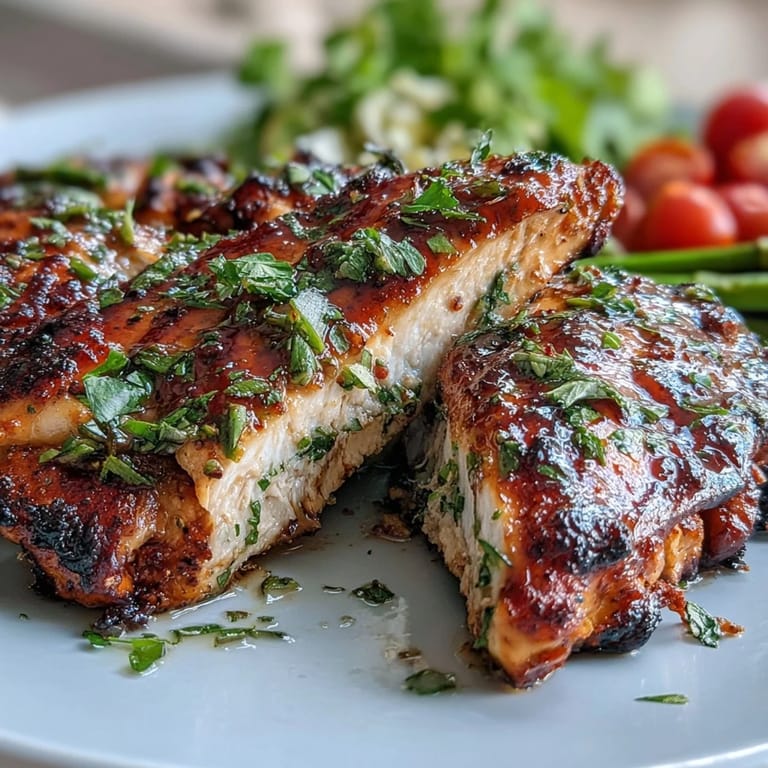
- Roast for 25 to 30 minutes until the chicken reaches 165°F internally and the vegetables are tender with slightly caramelized edges. You'll know it's done when the kitchen smells like a Mediterranean vacation and the chicken is no longer pink inside.
- Rest and finish:
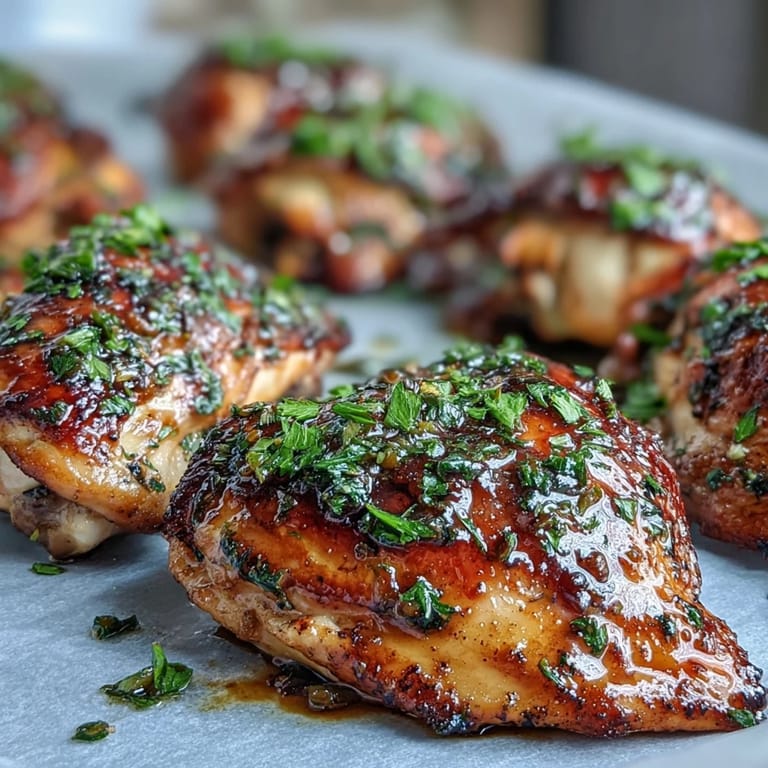
- Let the chicken rest for five minutes before serving; this keeps it juicy instead of letting all those good juices run everywhere. Finish with chopped fresh parsley and serve with lemon wedges if you want to add even more brightness.
 Save Pin
 I think about a conversation I had with someone once who said cooking for yourself was just as important as cooking for others, and this recipe proved it. There's something about sitting down to a plate that's genuinely good for you, that you didn't spend three hours making, that just feels like you're taking care of yourself without the guilt.
Why Spring Vegetables Matter Here
Spring vegetables have this natural brightness that heavier winter produce just can't match, and when you roast them with something as straightforward as lemon and garlic, they get to be the real stars. I've learned that roasting actually brings out their sweetness instead of destroying it like some cooking methods do. The heat caramelizes their natural sugars just enough to make them taste almost buttery, and that's where the real magic happens on the sheet pan.
Customizing Without Losing the Plot
The beautiful thing about a sheet pan dinner is that it's flexible without being fussy, but there are smart ways to swap ingredients and not smart ways. I've played with this enough times to know that zucchini and radishes work beautifully, but baby potatoes need about fifteen extra minutes, so you'd want to start them separately or add them later. The ratio of marinade to ingredients matters more than which specific vegetables you choose, so if you're substituting something, think about whether it has similar density to what you're replacing.
The Flavor Equation That Actually Works
There's a reason this marinade works so well across everything from chicken to vegetables: it's got acid for brightness, fat for richness, a little sweetness to round things out, and herbs to make it feel intentional instead of random. The Dijon mustard is the secret weapon that most people don't pay attention to, but it acts like a flavor glue that brings everything together without tasting like mustard. I've used this basic formula on salmon, on roasted cauliflower, even on grilled shrimp, and it works every single time because the proportions are genuinely balanced.
- Taste the marinade before it goes on the food; it should taste bright and lively, like something you'd actually want to eat straight from the bowl.
- If you find it too acidic, whisk in another teaspoon of honey; if it's too mild, add another squeeze of fresh lemon or a pinch more salt.
- Make extra marinade and save it in the fridge for up to three days, because once you realize how good it is, you'll want it on everything.
 Save Pin
 This is the kind of dinner that fits into real life, not some fantasy version where you have hours and emotional energy for cooking. It's honest food that tastes like you care, which is really what good cooking is about.
Questions & Answers
- → Can I use chicken thighs instead of breasts?
Yes, boneless skinless chicken thighs can be substituted. They offer a richer flavor but may require slightly longer cooking time. Ensure internal temperature reaches 165°F (74°C).
- → What other vegetables work well with this dish?
Zucchini, radishes, or baby potatoes can be added or swapped in. Adjust cooking time accordingly if using root vegetables like potatoes to ensure even roasting.
- → How do I keep the chicken juicy during roasting?
Brushing the chicken with marinade before and halfway through roasting helps retain moisture. Letting the chicken rest after cooking also redistributes juices for tenderness.
- → Can this dish be made ahead of time?
You can prepare the marinade and chop vegetables in advance. Assemble and roast just before serving to maintain optimal texture and flavor.
- → What wine pairs well with this dish?
A crisp Sauvignon Blanc or a light rosé complements the citrusy and herbaceous flavors, enhancing the overall dining experience.