 Save Pin
 My neighbor brought over a pot of mung bean soup on a cold afternoon, steam rising from the lid while she explained how her grandmother made it in Delhi every winter. I watched her face light up describing the mustard seeds crackling in hot oil, that unmistakable sound that signals something good is about to happen. That first spoonful tasted like comfort wrapped in warmth, and I knew I had to learn to make it myself. Now whenever I simmer a pot of these golden beans, that kitchen memory comes rushing back, and I understand why she treasured the recipe so deeply.
I made this soup for my partner when he came home with a sore throat, and he sat at the kitchen counter watching the transformation—those pale beans softening into creamy tenderness while the golden turmeric turned the whole pot warm and luminous. He took a hesitant first sip, then another, and by the third spoonful his shoulders relaxed. That's when I realized this soup does something beyond filling your stomach; it settles something deeper, a kind of permission to rest and heal that you give yourself with each warm drink.
Ingredients
- Dried mung beans, 1 cup: Soak these overnight or at least four hours before cooking to speed up cooking time and improve digestibility; they'll drink up water like little sponges and split slightly when ready.
- Medium onion, finely chopped: This forms the aromatic foundation, so don't skip the mincing—uniform pieces cook evenly and distribute sweetness throughout.
- Garlic, 2 cloves minced: Fresh garlic adds sharpness that balances the earthiness of the beans; pre-minced garlic loses its punch, so mince it yourself.
- Fresh ginger, 1-inch piece grated: This root brings warmth and subtle heat, plus aids digestion—grate it just before cooking to capture all those volatile oils.
- Medium carrot, diced: The natural sweetness rounds out the spice profile and adds subtle texture to every spoonful.
- Medium tomato, chopped: Tomato adds slight tang and helps the soup develop depth; canned works if fresh aren't at their best.
- Small green chili, optional but encouraged: A whisper of heat that wakes up your palate without overwhelming, so start with half if you're unsure.
- Ground cumin, 1 tsp: This warm spice is the soul of the soup, so use freshly ground if possible and don't skimp.
- Ground coriander, 1 tsp: Coriander brings a floral note that prevents the soup from tasting one-dimensional or heavy.
- Turmeric powder, 1/2 tsp: Beyond its gorgeous golden color, turmeric is a natural anti-inflammatory, making this soup genuinely therapeutic.
- Ground black pepper, 1/2 tsp: Fresh cracked pepper adds bite and helps your body absorb the turmeric's benefits.
- Mustard seeds, 1/2 tsp: These seeds pop and crackle in hot oil, releasing nutty aromatics that signal the flavor journey ahead.
- Asafoetida (hing), 1/4 tsp optional: This pungent spice smells funky in the jar but transforms into subtle umami in the pot, enhancing overall savory depth.
- Salt, 1 tsp: Taste as you go; the final seasoning makes or breaks the soup, so adjust until it tastes like home to you.
- Water or vegetable broth, 6 cups: Broth elevates the soup considerably if you have time to make it, but water with good spices works beautifully too.
- Fresh cilantro, 2 tbsp chopped: The final bright note that lifts everything; tear it gently just before serving so it doesn't bruise.
- Fresh lemon juice, 1 tbsp: Acid is everything—it awakens the spices and makes the soup sing, so don't skip this last squeeze.
Tired of Takeout? 🥡
Get 10 meals you can make faster than delivery arrives. Seriously.
One email. No spam. Unsubscribe anytime.
Instructions
- Prepare your beans:
- Rinse the soaked mung beans under cool water until the water runs clear, letting your fingers roll through them to check for any stones or discolored beans. This quick rinse removes the soaking liquid, which helps the soup taste fresher and cook more evenly.
- Toast the mustard seeds:
- Pour a splash of oil into your pot over medium heat and wait for it to shimmer, then add the mustard seeds and listen for that satisfying crackling sound—about 30 seconds is perfect, before they brown. This blooming technique releases their nutty essence and sets the aromatic stage for everything that follows.
- Build your aromatic base:
- Add the chopped onion, minced garlic, and grated ginger to the popping mustard seeds, stirring constantly until the onion turns translucent and the garlic loses its raw bite—about 3 minutes. Your kitchen will smell incredible at this point, so breathe it in and know you're on the right track.
- Add vegetables and spices:
- Stir in the diced carrots, chopped tomato, and green chili if using, then sprinkle in the cumin, coriander, turmeric, black pepper, and asafoetida, stirring to coat everything in oil. Let this cook undisturbed for about 2 minutes so the spices bloom and toast slightly, intensifying their flavors.
- Simmer the soup:
- Add your rinsed mung beans and pour in the water or broth, bringing everything to a boil over medium-high heat, then immediately reduce the heat to low and let it simmer uncovered for 35 to 40 minutes. The beans will gradually soften and the liquid will thicken into a silky broth as the starches release, creating that nourishing, comforting texture.
- Season to perfection:
- Taste the soup and add salt gradually, stirring between additions until it tastes right to you—remember that salt intensifies as the soup cools. This is the moment to trust your palate and adjust any spice that feels out of balance.
- Finish with brightness:
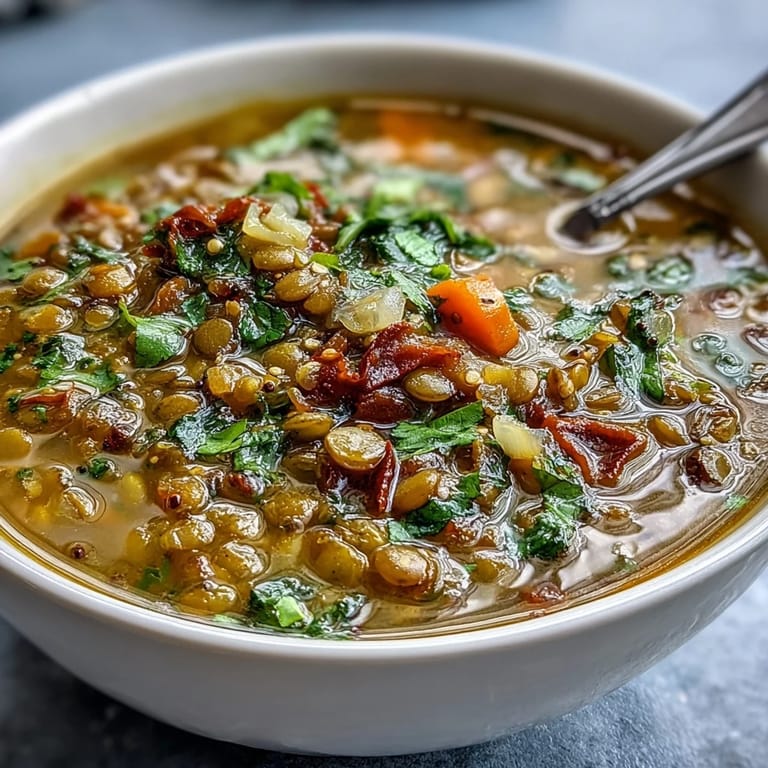
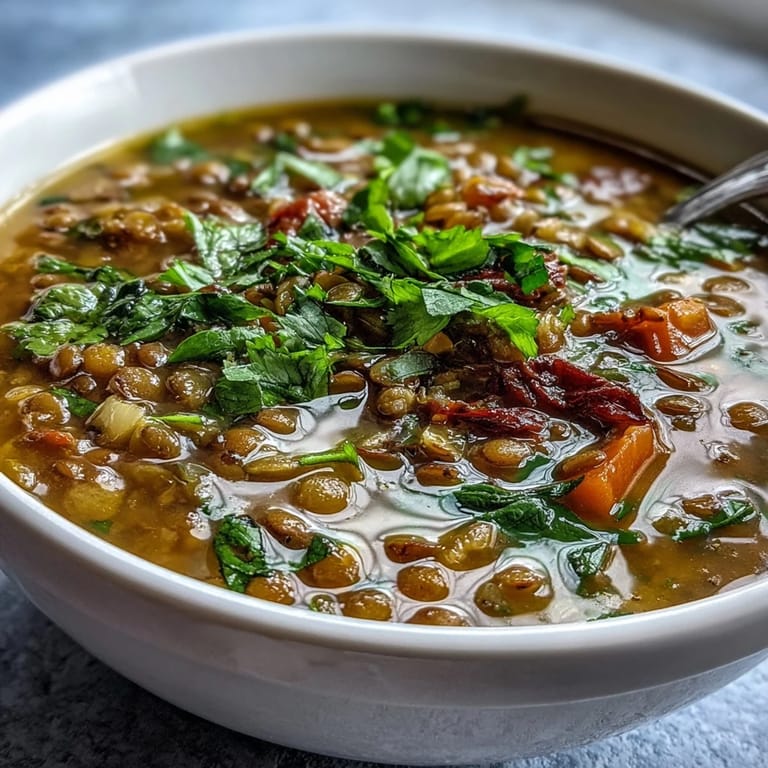
- Stir in the fresh lemon juice just before serving, which will make all the spices pop and feel more vibrant. Ladle into bowls and scatter fresh cilantro over the top, knowing you've just created something truly healing.
 Save Pin
 One evening, a friend sat at my kitchen counter going through a difficult time, and instead of knowing what to say, I made her this soup. We didn't talk much while it cooked, just let the spices do the speaking. When she left two hours later with a container of leftovers, she hugged me tighter than usual, and I realized that sometimes the most meaningful conversations happen over a warm bowl, unrushed and unforced.
The Magic of Mung Beans
Mung beans occupy a special place in the world's food traditions, prized for being simultaneously nourishing and easy to digest in ways that other legumes aren't. In Indian cuisine, they're considered pacifying and cooling, the kind of ingredient that appears in the kitchen whenever someone needs restoration. I learned that these small green pearls contain more than just protein and fiber; they carry generations of kitchen wisdom about what it means to cook with intention for someone's wellbeing.
Building Layers of Flavor
What makes this soup more interesting than a simple bean broth is how the spices work together like an orchestra, each with its own moment to shine. The mustard seeds announce the beginning, the warm spices create the body, and the lemon juice delivers the finale—but only if you don't rush any of these steps. I once skipped the blooming phase by adding everything at once, and the soup tasted flat and one-dimensional, teaching me that timing matters as much as ingredients.
Serving Suggestions and Variations
This soup stands beautifully on its own, but it transforms into a complete meal when paired with steamed rice, simple flatbread, or even a piece of crusty bread for soaking up the golden broth. The flavors are humble enough to let other dishes shine, yet confident enough to be the star of a quiet lunch. Some mornings I stir in a handful of fresh spinach or kale during the last five minutes, watching the greens wilt into the warmth and add iron to an already nourishing bowl.
- For a creamier texture, gently mash some of the cooked beans against the side of the pot with the back of your spoon, creating pockets of creaminess throughout.
- Experiment with the vegetables—add celery, parsnip, or even a small piece of sweet potato if you want to play with the sweetness profile.
- A dollop of coconut milk stirred in just before serving adds richness without compromising the gluten-free status, if that matters to you.
 Save Pin
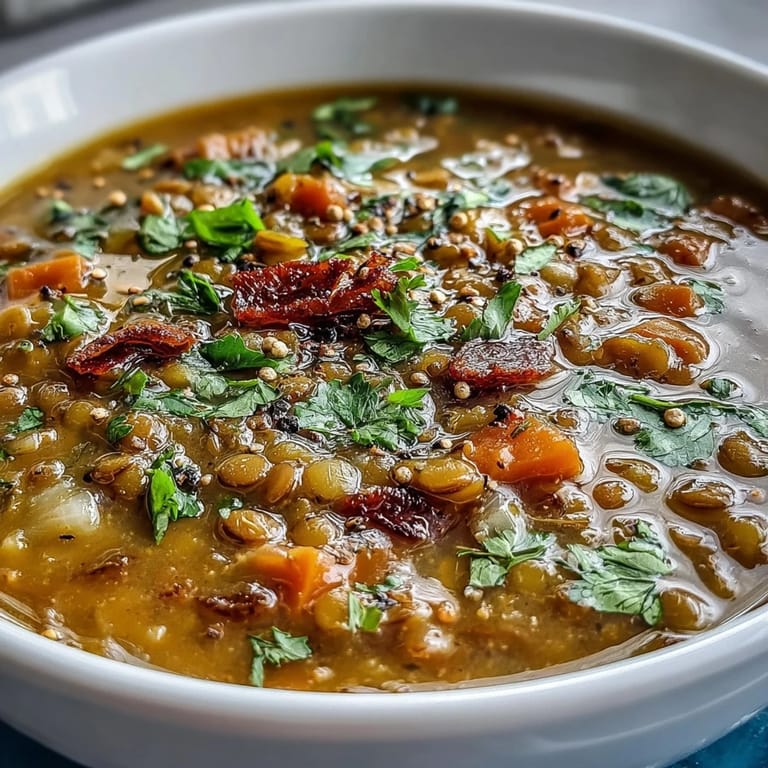
 Every time I make this soup, I'm reminded that the most nourishing meals don't require fancy techniques or expensive ingredients—just attention and care. Serve it warm, share it generously, and let the steam rise between you and whoever is lucky enough to be sitting across from you.
Questions & Answers
- → Do I need to soak mung beans before cooking?
Yes, soaking dried mung beans for 4 hours or overnight helps them cook faster and more evenly. It also improves digestibility and reduces cooking time significantly.
- → Can I use green or yellow mung beans?
Both varieties work well. Yellow mung beans (split and hulled) cook faster and create a creamier texture, while whole green mung beans hold their shape better and offer slightly more fiber.
- → How can I make this soup thicker?
Simply mash some of the cooked beans against the side of the pot with your spoon. You can also purée a portion and return it to the soup, or let it simmer longer uncovered to reduce.
- → What can I serve with mung bean soup?
Steamed basmati rice, warm naan, roti, or crusty bread make excellent accompaniments. The mild flavor also pairs beautifully with a simple cucumber raita or pickle on the side.
- → How long does this soup keep in the refrigerator?
Stored in an airtight container, this soup keeps well for 4-5 days. The flavors actually develop and improve over time. Reheat gently on the stove, adding a splash of water if needed.
- → Is this soup suitable for meal prep?
Absolutely. This soup freezes beautifully for up to 3 months. Portion into freezer-safe containers, leaving space for expansion. Thaw overnight in the refrigerator before reheating.