 Save Pin
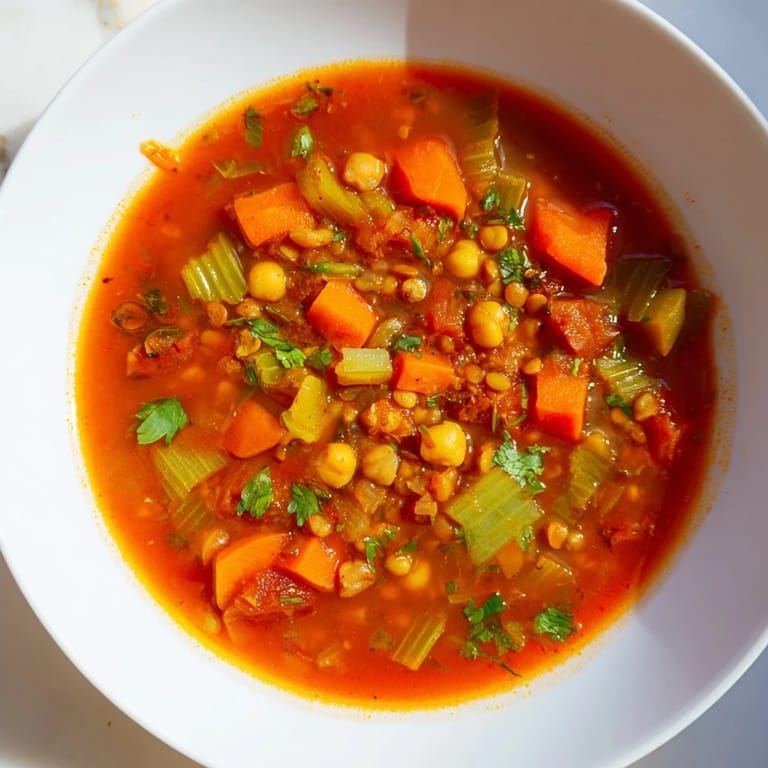
 The first time harira truly made sense to me was on a gray November afternoon when a Moroccan friend brought a steaming pot to my kitchen. She ladled it into bowls with the kind of care you'd give to something precious, and as I tasted it—the warmth of cinnamon mingling with bright lemon, the way chickpeas softened into the broth—I understood why families have made this soup for centuries. It wasn't just food; it was a hug in a bowl, the kind of dish that fills you up and settles something in your chest at the same time.
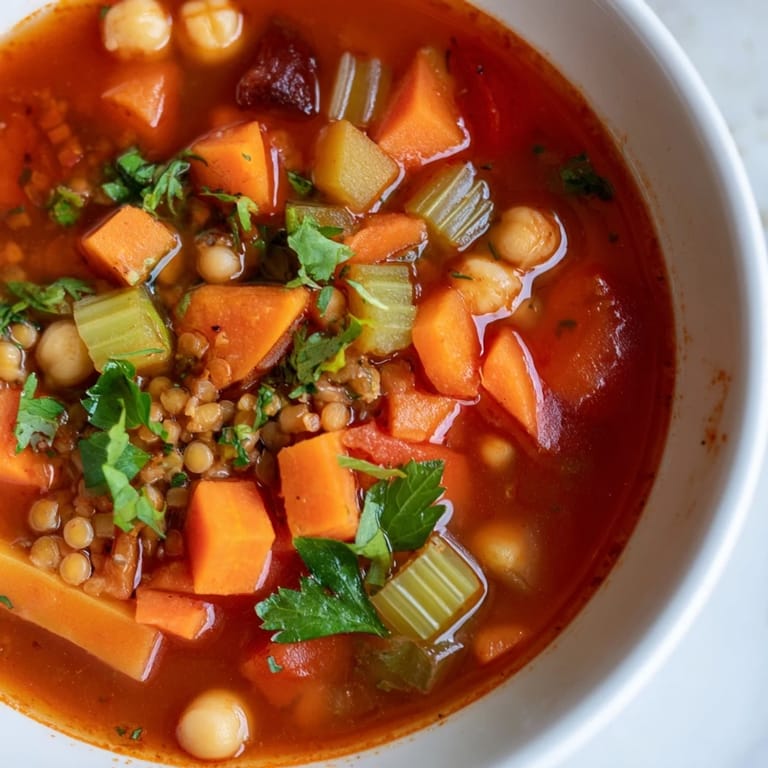
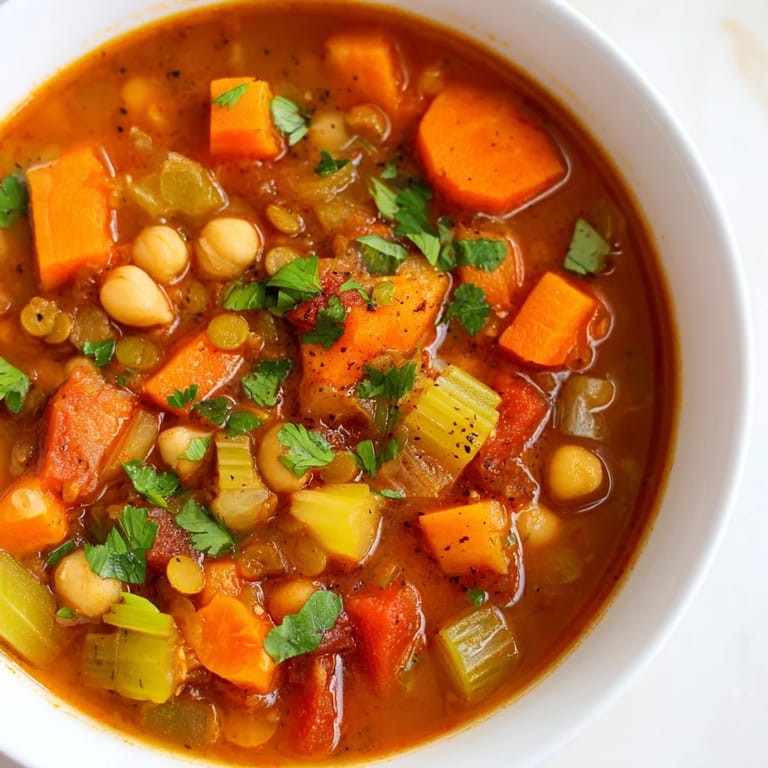
I made this for my partner on a night when the heating had gone out and we huddled in the kitchen waiting for the repair person. That bowl of harira, thick with chickpeas and lentils, swimming in spiced broth—it was exactly what we needed. We sat at the counter eating slowly, and by the second bowl, we'd stopped worrying about the temperature and started talking about taking a trip to Marrakech. Food does that sometimes.
Ingredients
- Dried chickpeas (1 cup, soaked overnight): Soaking overnight transforms them into something creamy and tender; if you're short on time, canned chickpeas work beautifully and save you hours.
- Dried lentils (1/2 cup): They hold their shape and add an earthy sweetness that rounds out the soup's personality.
- Olive oil (2 tbsp): This is your flavor foundation, so use something you'd actually taste on bread.
- Onion, celery, and carrots (1 onion, 2 stalks, 2 carrots): The holy trinity of soup building—they disappear into the broth and become pure flavor.
- Garlic (3 cloves, minced): Fresh garlic is essential here; it blooms when you cook it with the spices and becomes almost sweet.
- Chopped tomatoes (1 can, 400 g): Canned is perfect—they're picked at peak ripeness and break down into the broth.
- Tomato paste (2 tbsp): A small amount concentrates tomato flavor without overwhelming the delicate spice balance.
- Ground cumin, cinnamon, ginger, turmeric, paprika (1 tsp, 1 tsp, 1/2 tsp, 1/2 tsp, 1/2 tsp): This is the soul of harira—toast them in the pan so they release their full fragrance.
- Cayenne pepper (1/4 tsp, optional): Leave it out if you prefer gentle heat, add it if you like a whisper of fire.
- Vegetable broth (6 cups): Use something with good flavor; the broth becomes the canvas everything else paints on.
- Dried apricots (1/2 cup, chopped): This is the secret weapon—they add sweetness and a subtle fruit note that makes people ask what the mystery ingredient is.
- Fresh cilantro and parsley (1/4 cup each): Added at the end, they brighten the whole pot and make it feel alive.
- Lemon juice (from 1 lemon): This is the final magic—it sharpens everything and brings the spices into focus.
- Salt and black pepper: Taste as you go; the right seasoning is what makes it yours.
Tired of Takeout? 🥡
Get 10 meals you can make faster than delivery arrives. Seriously.
One email. No spam. Unsubscribe anytime.
Instructions
- Build your flavor base:
- Heat olive oil in a large pot over medium heat and add your chopped onion, celery, and carrots. Let them soften for 6 to 8 minutes, stirring occasionally—you want them tender but not brown, because they're about to become the foundation of everything that follows. Listen for the gentle sizzle; that's the sound of flavor being built.
- Wake up the spices:
- Add minced garlic and all your spices to the softened vegetables and cook for exactly one minute. The kitchen will smell incredible—that's your signal that the spices are releasing their essential oils and are ready to flavor the whole pot.
- Create the base:
- Stir in the tomato paste and let it cook for another minute, then add your chopped tomatoes, drained chickpeas, rinsed lentils, and chopped apricots. Mix everything so it's evenly distributed and nothing is clumped at the bottom.
- Let it simmer:
- Pour in the vegetable broth and bring the whole pot to a boil, then immediately reduce the heat and let it simmer gently for 45 to 50 minutes, stirring occasionally. The chickpeas and lentils will become tender, the broth will deepen in color, and your whole space will smell like a North African spice market.
- Finish with brightness:
- Stir in the fresh cilantro, parsley, and lemon juice, then taste and adjust the salt and pepper. The lemon brings everything into sharp focus—this is the moment the soup becomes itself.
- Optional heartiness:
- If you'd like a thicker, more substantial soup, stir in some cooked vermicelli or rice at this point.
- Serve with intention:
- Ladle the soup into bowls while it's hot and garnish with extra fresh herbs, a squeeze of lemon, or a lemon wedge on the side.
 Save Pin
 My neighbor came over the day after I first made harira and took one spoonful and just closed her eyes. When she opened them again, she asked if I could teach her how to make it. We've made it together three times since, and each time she brings something different—once it was fresh cilantro from her garden, once it was her own spice blend that her mother brought from Fez. That's when I realized this soup isn't just about the recipe; it's about inviting people in.
The Soul of the Spices
What makes harira recognizable across the whole of North Africa isn't one ingredient—it's the interplay of warm, almost sweet spices with the brightness of lemon and herbs. Cinnamon might seem unusual in a savory soup, but it adds a soft warmth that makes the spices feel like they belong together. Ground ginger brings a subtle heat that doesn't announce itself loudly, and turmeric adds earthiness and a golden color that looks as good as it tastes. When you cook these spices together in the hot oil, something magical happens—they transform from separate scents into one unified, complex flavor that makes people pause mid-conversation and ask what you're cooking.
Why Apricots and Lemon Matter
The combination of dried apricots and lemon juice is what separates harira from other vegetable soups. The apricots dissolve slightly into the broth, adding a gentle sweetness and thickness that feels almost luxurious. They balance the warm spices and the earthiness of the legumes so the soup never tastes one-note. Then the lemon comes in at the end and wakes everything up—suddenly you can taste each spice individually, the sweetness of the apricots becomes more complex, and the whole bowl tastes brighter and more alive. This is the real secret to why people ask for the recipe.
Keeping and Serving
Harira is a soup that actually improves with time, which makes it perfect for busy weeks or for when you want to impress people without being chained to the stove. The flavors deepen and marry together overnight, and the texture becomes more cohesive as the lentils and chickpeas continue to soften. You can store it in the fridge for up to five days or freeze it for up to three months. When you reheat it, add a splash of water or broth if it's gotten too thick, taste it again for seasoning, and finish it with fresh cilantro and a squeeze of lemon to make it taste like it just came off the stove.
- Serve it in bowls with warm bread for dipping and a wedge of lemon on the side for people to add to taste.
- A small bowl of cooked vermicelli or rice on the side lets people customize their own creaminess.
- Extra fresh herbs scattered on top just before serving make it look intentional and taste alive.
 Save Pin
 This soup has a way of turning ordinary evenings into something warm and meaningful. Make it when you need comfort, make it when you want to cook for people you love, make it because you can smell cinnamon and that's reason enough.
Questions & Answers
- → What legumes are used in this dish?
Dried chickpeas and lentils form the hearty base, adding protein and texture.
- → Which spices create its distinctive flavor?
Ground cumin, cinnamon, ginger, turmeric, paprika, and a touch of cayenne bring warmth and depth.
- → Can it be prepared vegan?
Yes, using vegetable broth ensures a completely plant-based dish without compromising taste.
- → How is sweetness incorporated?
Chopped dried apricots provide a subtle sweet counterpoint to the savory and spicy elements.
- → What garnishes complement the dish?
Fresh cilantro, parsley, and lemon wedges brighten and enhance the overall aroma and flavor.
- → Is it possible to add grains for extra texture?
Cooked vermicelli or rice can be stirred in to create a heartier, more filling meal.