 Save Pin
 My neighbor handed me a bunch of beets from her garden one September afternoon, their earthy smell still clinging to my hands as I walked home. I'd never roasted beets before, but something about their deep purple color made me want to turn them into soup. That first bowl changed how I think about vegetables—suddenly something I'd overlooked became the star of the meal, silky and sweet and impossibly vibrant.
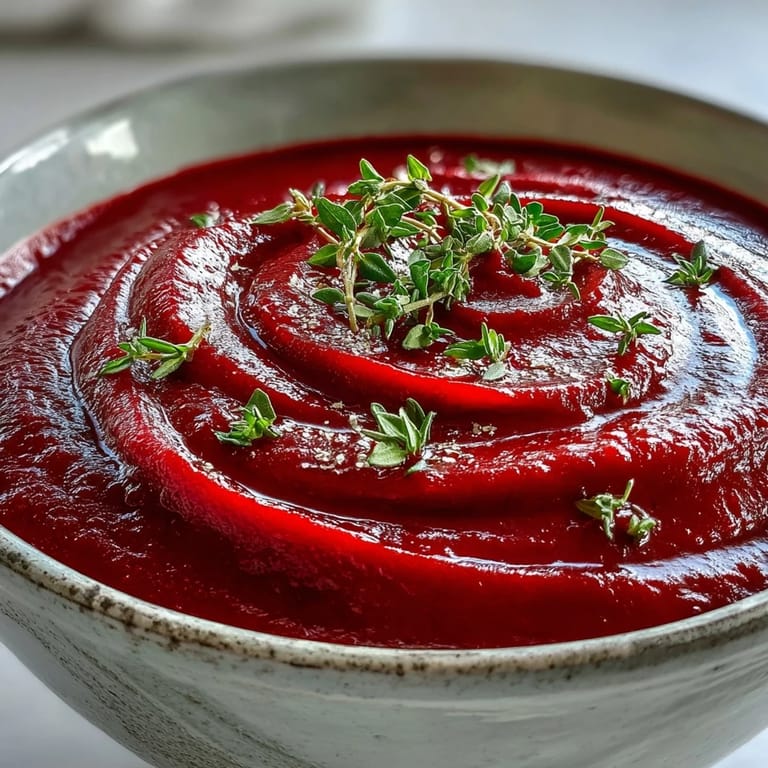
I made this soup for my sister's book club last winter, and everyone asked for the recipe before dessert even came out. The color alone—that shocking magenta swirl in cream—made people lean in before they'd even tasted it, and that moment of surprise when they realized something so beautiful could also be so earthy is exactly why I keep making it.
Ingredients
- Beets: The heart of this soup—roasting them slowly brings out natural sweetness and deepens their flavor in a way boiling never will.
- Yellow onion and carrots: These build a gentle, sweet foundation that lets the beets shine without overpowering them.
- Garlic: Just enough to add warmth and complexity without making it feel like a different dish entirely.
- Vegetable broth: Use a good quality one if you can; it matters more when the ingredient list is this short.
- Olive oil: For sautéing the aromatic vegetables before they meet the beets.
- Heavy cream: The finishing touch that makes the soup velvety and luxurious, though coconut cream works beautifully for a dairy-free version.
- Salt and freshly ground black pepper: Always taste and adjust at the end; beet soups need a little more seasoning than you'd expect.
- Fresh lemon juice: A squeeze at the very end brightens everything and prevents the soup from tasting one-dimensional.
- Fresh thyme: Adds an herbaceous whisper that reminds you this is earthy, not sweet.
Tired of Takeout? 🥡
Get 10 meals you can make faster than delivery arrives. Seriously.
One email. No spam. Unsubscribe anytime.
Instructions
- Heat your oven and wrap the beets:
- Get your oven to 400°F and wrap each beet individually in foil—this traps the steam and makes them peel so easily afterward, almost like they're begging to be handled. You'll smell that earthy sweetness the moment you unwrap them.
- Roast until fork-tender:
- Roast for 40 to 45 minutes until a fork slides through without resistance. Let them cool just enough to handle, then the skins slip off with barely any effort.
- Build your flavor base:
- Heat olive oil in a large pot and sauté the onion and carrots for about 5 minutes, stirring occasionally until they soften and turn translucent. Add the garlic and cook for just one more minute—you want it fragrant, not brown.
- Combine and simmer:
- Add your chopped roasted beets along with the thyme, salt, and pepper, giving it all a good stir to coat everything with oil. Pour in the vegetable broth, bring it to a boil, then turn the heat down and let it bubble gently for 10 minutes so the flavors can get to know each other.
- Blend until silky:
- Remove from heat and use an immersion blender to purée everything into a smooth, creamy texture. If you're using a regular blender, work in batches and be careful with the hot liquid.
- Finish with cream and brightness:
- Stir in the heavy cream and a squeeze of fresh lemon juice, which is the secret moment that wakes up all the flavors. Taste and adjust the salt and pepper—you might be surprised how much it needs.
- Serve with intention:
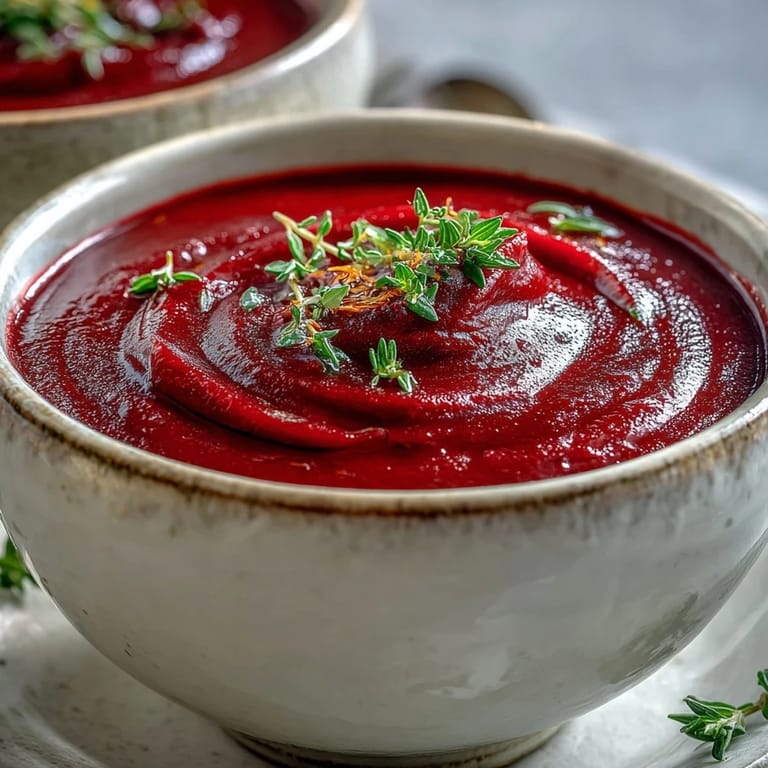
- Ladle into bowls and consider a swirl of cream on top or a few fresh thyme leaves scattered across the surface. It's these small touches that make people feel cared for.
 Save Pin
 A friend told me this soup reminded her of autumn, even though we were eating it in the middle of winter. That's when I realized this isn't just a recipe—it's a way to hold onto the taste of the season when you need it most.
The Magic of Roasting
Roasting is where the real transformation happens in this soup. When you wrap those beets in foil and let them go golden-edged in the oven, they're not just cooking—they're concentrating their sugars and deepening their flavor in a way that boiling could never achieve. The heat brings out an almost caramel-like sweetness that balances perfectly against the earthy note, and that's the whole reason this soup feels so complete and satisfying.
Finding Your Cream
The cream is what makes this soup feel indulgent, but you have more options than you might think. Heavy cream gives you that classic richness, but I've made this with coconut cream for friends who don't eat dairy and honestly, the flavor shifts in an interesting way—less decadent, more tropical, still completely delicious. Even a good oat milk blended in works if that's what you have on hand; the soup will be thinner but still cozy.
Variations That Work
This soup is forgiving in the best way, and once you've made it once, you'll find yourself playing with it. Some nights I add a pinch of cumin or a tiny bit of balsamic vinegar, and other times I'll throw in some fresh dill instead of thyme. If you want more texture, leave it a little chunky instead of silky smooth, or serve it with crispy croutons and chopped chives piled on top.
- Swap thyme for dill or tarragon if you want something more anise-forward and bright.
- Top with crumbled goat cheese, toasted pumpkin seeds, or crispy bacon if you're building bowls for a crowd.
- Serve with good crusty bread and you've got a meal that feels substantial and complete.
 Save Pin
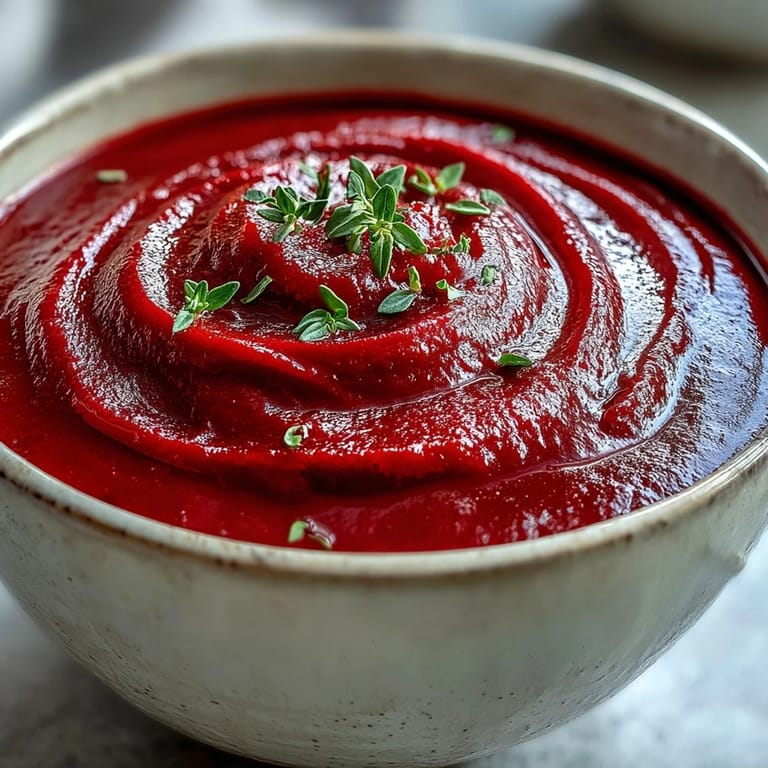
 This soup has become one of those dishes I make when I want to feel like I'm taking care of myself and whoever else happens to be around. There's something about the color alone that lifts a gray day.
Questions & Answers
- → How do I know when the beets are fully roasted?
Beets are done roasting when you can easily pierce them through the foil with a fork. They should feel tender throughout, typically after 40–45 minutes at 400°F. Let them cool slightly before peeling—the skins will slip off easily.
- → Can I make this soup ahead of time?
Absolutely. This soup actually tastes better the next day as flavors meld together. Store it in the refrigerator for up to 4 days. Reheat gently over medium-low heat, adding a splash of broth or cream if it has thickened.
- → What can I use instead of heavy cream?
Coconut cream works wonderfully for a dairy-free version and adds subtle sweetness. Cashew cream, Greek yogurt (stirred in at the end to prevent curdling), or even more olive oil for a lighter version are all excellent alternatives.
- → How do I achieve the smoothest texture?
An immersion blender gives excellent results directly in the pot. If using a countertop blender, work in batches and fill only halfway—hot soup expands when blended. For ultimate silkiness, strain through a fine-mesh sieve after puréeing.
- → What garnishes work best with this soup?
A swirl of cream or coconut cream creates a beautiful contrast. Crumbled goat cheese adds tangy creaminess, toasted pumpkin seeds provide crunch, and fresh herbs like thyme, chives, or dill brighten the presentation.
- → Can I use raw beets instead of roasting them?
While possible, roasting develops a much deeper, sweeter flavor that defines this soup. If pressed for time, you can boil or steam peeled beets, but the result will be less complex and vibrant.