 Save Pin
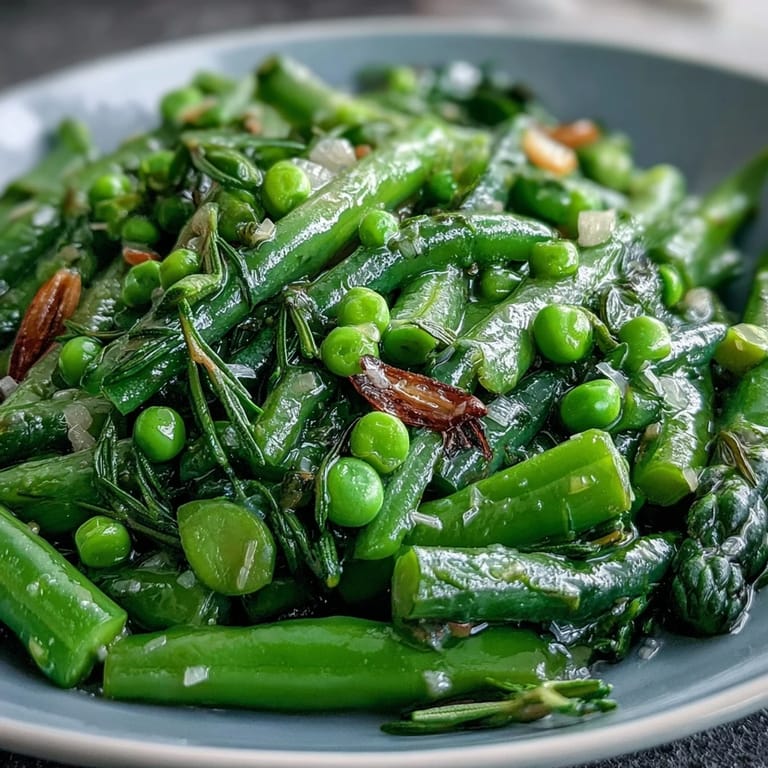
 There's something about the first warm days of spring that makes me want to abandon heavy meals entirely. My neighbor handed me a bunch of asparagus from her garden one April morning, still dewy and impossibly tender, and I stood there wondering what to do with it besides roasting. That's when it hit me—shave it thin, treat it like a delicate green, and let bright lemon do all the talking. This salad came together almost by accident, but it's become my go-to when I want something that tastes like the season just arrived on my plate.
I made this for a potluck last May, and someone actually asked for seconds before I'd even sat down with my plate. The brightness of the lemon caught everyone off guard—no one expected a salad this simple to taste so alive. I've made it a dozen times since, sometimes for quiet lunches where it's just me and good food, sometimes for tables full of people.
Ingredients
- Fresh asparagus (about 300 g): Use thin to medium spears because they shave into those gorgeous ribbons without shattering, and snap off the woody ends by bending them until they naturally break—that's where tenderness meets toughness.
- Fresh or frozen green peas (1 cup): The sweetness here balances the lemon's sharp edge, so don't skip them or substitute with something bitter.
- Baby arugula or spring greens (2 cups): These act like a cushion for the dressing, giving it something tender to cling to.
- Radishes (2), thinly sliced: They add a peppery snap and keep everything from tasting too soft.
- Shaved Parmesan cheese (1/4 cup): Use a vegetable peeler on a block of cheese rather than the pre-shaved kind—it tastes creamier and catches the light differently on the plate.
- Toasted pine nuts or slivered almonds (1/4 cup): Toast them yourself in a dry pan for 2-3 minutes, and the difference in flavor is worth those few extra moments.
- Extra-virgin olive oil (3 tbsp): This is not the time for budget oil; good oil is the whole point here.
- Fresh lemon juice (2 tbsp) and zest (1 tsp): Fresh is non-negotiable—bottled lemon juice tastes like regret by comparison.
- Honey or maple syrup (1 tsp): Just a whisper of sweetness to round out the lemon's sharpness.
- Dijon mustard (1 tsp): It acts like an emulsifier, helping the oil and lemon juice actually stay together instead of separating.
- Sea salt (1/2 tsp) and black pepper (1/4 tsp): Fresh cracked pepper always, always.
Tired of Takeout? 🥡
Get 10 meals you can make faster than delivery arrives. Seriously.
One email. No spam. Unsubscribe anytime.
Instructions
- Shave the asparagus:
- Hold a spear flat on your cutting board and run a vegetable peeler lengthwise along the stalk, rotating as you go, until you've got thin ribbons. You'll feel the texture change as you get closer to the center—that's your cue to stop and move to the next spear.
- Build the salad base:
- Toss your asparagus ribbons with the peas, greens, and radishes in a large bowl—this is where you can actually see all those colors coming together, and it makes you want to eat it immediately.
- Make the dressing:
- Whisk the olive oil, lemon juice, zest, honey, mustard, salt, and pepper in a small bowl or jar until it looks creamy and emulsified. Taste it before it goes on the salad—that's your moment to adjust if something feels off.
- Dress and toss gently:
- Drizzle the dressing over everything and toss with your hands or two spoons, being gentle so you don't bruise the delicate greens. The warmth from your hands actually helps the flavors meld together.
- Top with cheese and nuts:
- Scatter the Parmesan shavings and toasted nuts over the top just before serving, or toss them in if you prefer—either way, they add that final textural moment the salad needs.
- Serve right away:
- This salad is best eaten within a few minutes of assembly while everything is still crisp and the greens haven't begun to wilt from the dressing.
 Save Pin
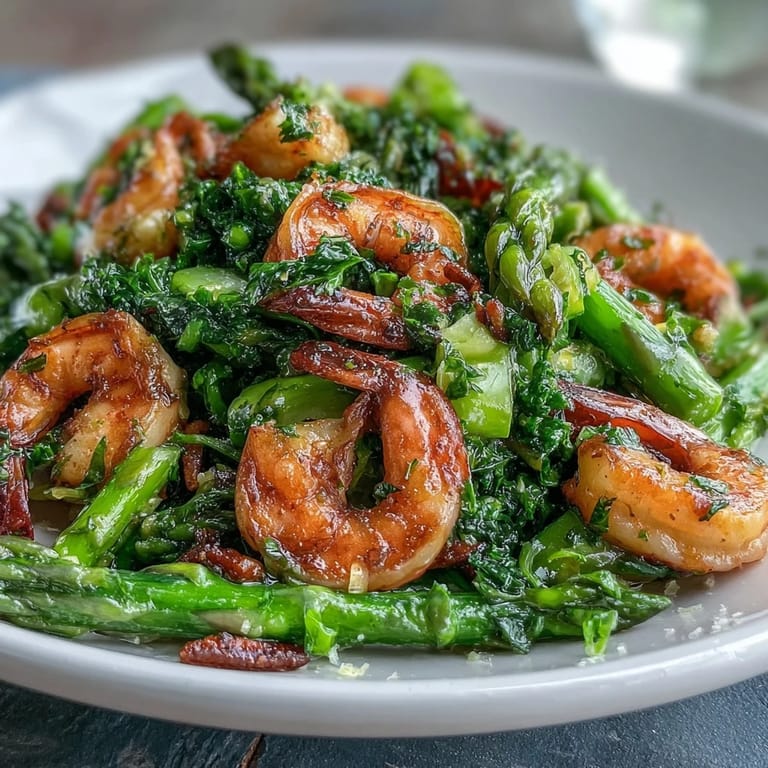
 I served this to my sister last spring when she came home from college, and she ate an enormous bowl while telling me about her year. There's something about a salad this fresh that invites real conversation—no one rushes through it, and somehow the lemon keeps everything tasting like possibility.
Why Shaved Asparagus Changes Everything
Shaving asparagus instead of chopping it transforms how the vegetable tastes and feels on your tongue. The peeler creates thin ribbons that are almost papery, so they absorb the dressing without becoming mushy or tough the way thicker pieces do. It also exposes more surface area to the lemon, which means every single bite tastes bright and alive.
The Lemon Dressing That Actually Holds Together
Most vinaigrettes separate before you finish whisking, but this one doesn't—that's because of the Dijon mustard, which acts as a natural emulsifier and helps the oil and acid stay suspended together. The honey adds a subtle sweetness that keeps the lemon from feeling sharp or aggressive, and the zest gives it a subtle floral note that makes people ask what's different about it. It's a dressing that feels like it knows what it's doing, even though it takes two minutes to make.
Making This Salad Your Own
The beauty of this recipe is how forgiving it is when you want to improvise. I've added fresh mint, swapped the peas for sugar snaps, used feta instead of Parmesan, or tossed in some shredded carrot when the radishes looked tired. The structure stays the same—tender vegetables, bright dressing, crisp toppings—and the result always tastes like spring.
- For a vegan version, simply leave off the cheese or use a plant-based substitute, and the salad loses nothing in translation.
- If you're serving this as a side to grilled fish or chicken, consider adding fresh basil or tarragon to the dressing for extra herbaceous depth.
- Make extra dressing and keep it in a jar in the fridge—it's brilliant on steamed vegetables or drizzled over simple grilled proteins throughout the week.
 Save Pin
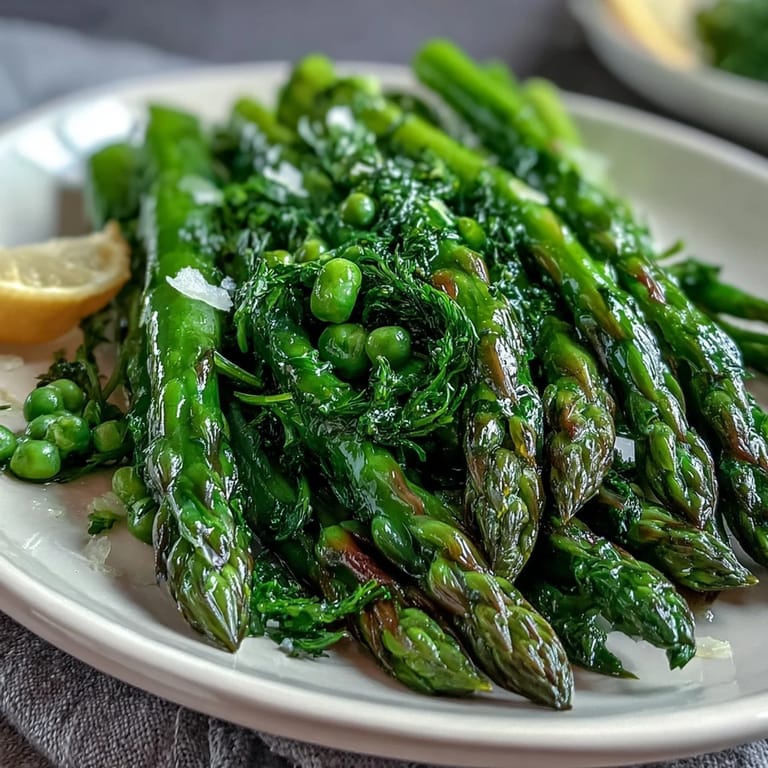
 This salad has become my answer to the question 'what should I make when I want to feel good?' and that's really all I need to know about a recipe. Serve it immediately, eat it slowly, and let the lemon remind you why spring tastes like hope.
Questions & Answers
- → How do you properly shave asparagus for this salad?
Use a vegetable peeler to create thin, delicate ribbons by running it along the length of the asparagus stalks, removing woody ends first.
- → Can frozen peas be used instead of fresh peas?
Yes, thawed frozen peas work well and provide a similar sweet flavor and texture to fresh peas in the salad.
- → What is the purpose of the lemon zest in the dressing?
Lemon zest adds concentrated citrus oils that enhance the bright, fresh flavor of the dressing without extra acidity.
- → Which nuts can substitute pine nuts if unavailable?
Toasted slivered almonds or other mild nuts can replace pine nuts, offering a similar crunch and subtle flavor.
- → How can the salad be adapted for a vegan diet?
Omit the Parmesan cheese or replace it with a plant-based option, and ensure honey is substituted with maple syrup in the dressing.
- → What greens work best in this salad?
Baby arugula provides peppery notes, but mixed spring greens can also be used depending on preference.