 Save Pin
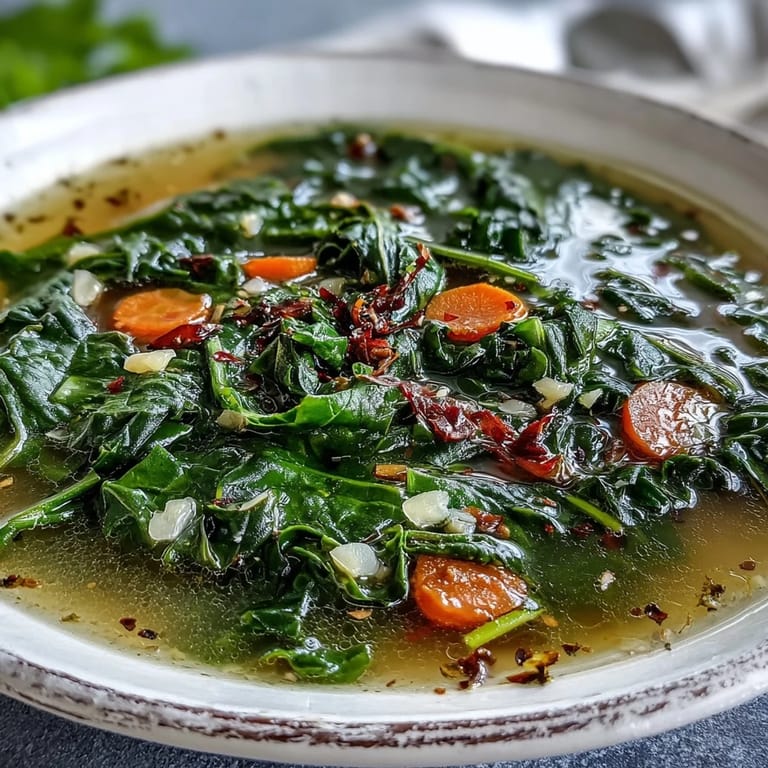
 My neighbor knocked on my kitchen door one chilly evening with a bundle of Swiss chard from her garden, asking if I knew what to do with it. I'd walked past those leafy greens at the market a hundred times but never quite knew how to use them, so I improvised with what felt natural—a simple broth, some garlic, the smell of sautéed onions filling the house. That first bowl tasted like comfort, like learning something new without pressure, and suddenly I understood why she grew so much of the stuff.
I made this soup for my mom when she was recovering from being under the weather, and she asked for a second bowl before finishing the first. There's something about warm broth with tender greens that feels genuinely nourishing rather than just filling, and watching someone relax into a spoonful of something you made hits different than any compliment ever could.
Ingredients
- Swiss chard (1 large bunch, about 400 g): Separate the stems from the leaves before chopping—they cook at different speeds, and the stems need the extra time to become tender and sweet rather than chewy.
- Yellow onion (1 medium): This is your flavor foundation, so chop it fine and let it get golden and soft before moving forward.
- Carrots (2 medium) and celery stalks (2): These create a gentle aromatic base that builds depth without overpowering the delicate chard.
- Garlic (3 cloves, minced): Add it after the softer vegetables so it doesn't burn and turn bitter—you want its sweetness, not harshness.
- Vegetable broth (1.2 liters or 5 cups): Use a good quality broth if you can, and check the label for gluten if that matters to you.
- Olive oil (2 tablespoons): This carries flavor and helps everything cook evenly without the soup feeling heavy.
- Sea salt and black pepper: Taste as you go—seasoning at the end makes a real difference, not at the beginning.
- Red pepper flakes (1/4 teaspoon, optional): Just a whisper of heat to wake up the palate, but leave it out if that's not your style.
- Lemon juice (from 1/2 lemon) and fresh parsley (2 tablespoons): These finish the soup with brightness—add them at the very end so they don't lose their vibrancy.
- Parmesan cheese (optional, for serving): A small scatter adds umami and richness, but the soup stands beautifully on its own.
Tired of Takeout? 🥡
Get 10 meals you can make faster than delivery arrives. Seriously.
One email. No spam. Unsubscribe anytime.
Instructions
- Sauté your aromatic foundation:
- Heat the olive oil in a large pot over medium heat, then add the onion, carrots, and celery. You're looking for them to soften and turn translucent at the edges—about 5 to 6 minutes—and you should hear them gently sizzling, not aggressively popping.
- Build the flavor layers:
- Stir in the minced garlic and those separated chard stems, and let them cook for 2 to 3 minutes until the whole pot smells amazing and the stems begin to lose their stiffness. This is when you know you're on the right track.
- Pour in the greens and broth:
- Add the chard leaves, vegetable broth, salt, pepper, and red pepper flakes if you're using them. Bring the whole thing to a boil—you'll see the leaves start to wilt immediately—then lower the heat to a gentle simmer where just a few bubbles kiss the surface.
- Let it meld together:
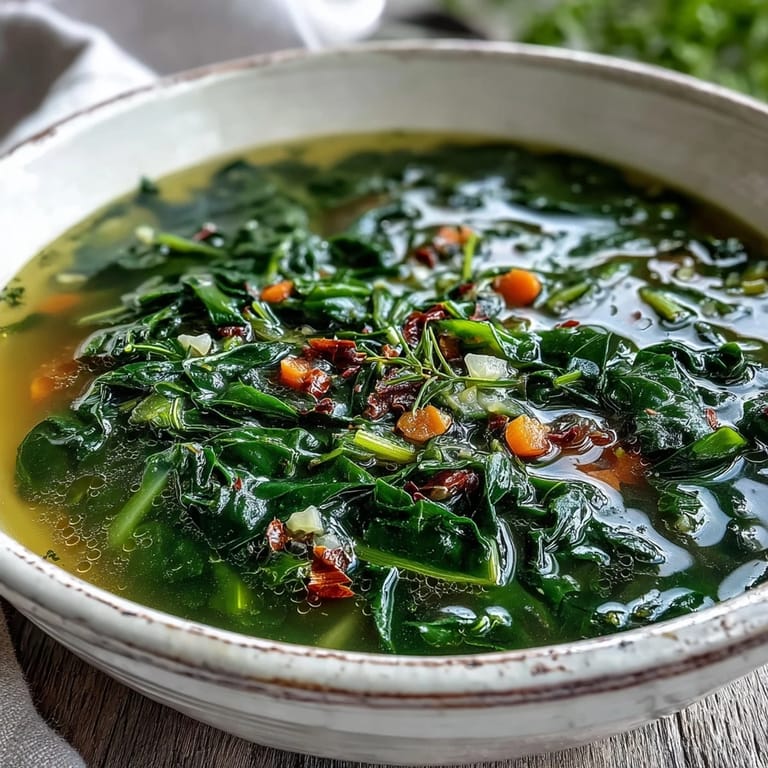
- Simmer uncovered for 15 to 20 minutes, letting the vegetables become tender and the flavors get to know each other. Your kitchen will smell like something between a garden and home, which is exactly right.
- Finish with brightness:
- Stir in the lemon juice and fresh parsley, then taste and adjust the salt and pepper to your preference. This is your moment to make it yours—a little more lemon, a pinch more salt, whatever feels right.
- Serve and savor:
- Ladle the soup into bowls and top with Parmesan if you like the richness. Serve it hot and watch how quickly it disappears.
 Save Pin
 I brought this soup to a potluck once, and three people asked for the recipe because they said it tasted like someone actually cared about feeding them, not just filling plates. That moment reminded me that the simplest dishes often mean the most because there's nowhere to hide—every ingredient has to pull its weight.
Making It Your Own
This soup welcomes additions without complaint. I've stirred in white beans for heft, added a diced potato for body, and even tossed in a splash of cream for nights when comfort needed to go deeper. Some people add a parmesan rind while it simmers and fish it out at the end—a restaurant trick that works because it dissolves a little of its essence into the broth without the grittiness of shredded cheese.
Storage and Reheating
This soup keeps beautifully in the refrigerator for up to four days, and it actually improves as it sits because the flavors continue to get acquainted. Reheat it gently over medium heat or in the microwave, and if it thickens too much, just add a splash of broth or water to loosen it back up.
Dietary Notes and Flexibility
The soup is naturally vegetarian and gluten-free as long as you use broth without hidden gluten—something worth double-checking on the label if anyone at your table needs to avoid it. For a vegan version, simply skip the Parmesan or crumble some tofu into the pot if you want a bit more substance.
- To make it heartier without dairy, stir in a can of rinsed white beans or chickpeas about halfway through simmering.
- Add a diced potato at the same time as the carrots and celery if you want the soup to feel more filling and grounding.
- A pinch of nutmeg or a bay leaf while simmering adds complexity that surprises people in the best way.
 Save Pin
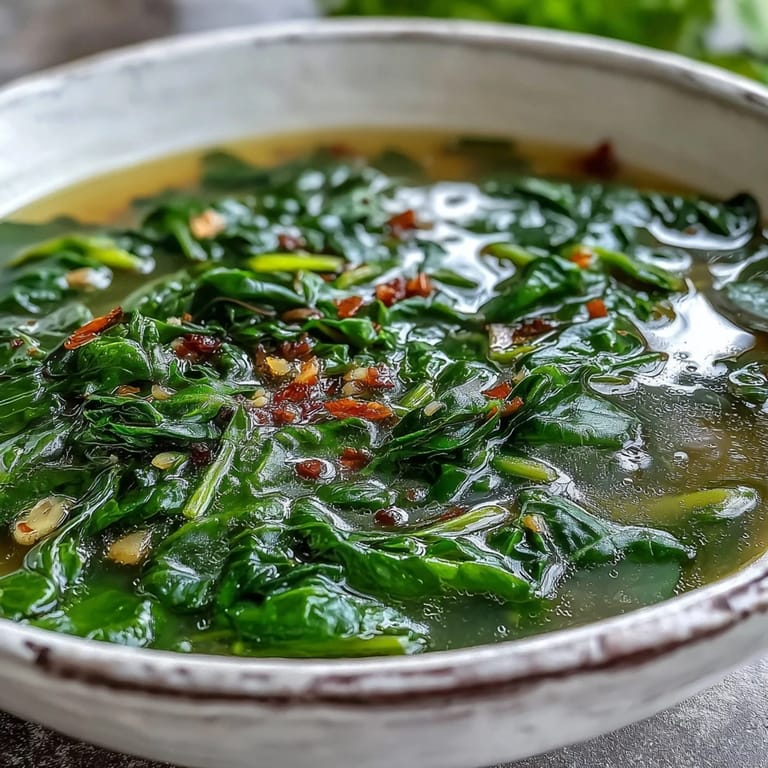
 This is the kind of soup that doesn't ask for much but gives back in quiet ways—a warm bowl, a simple meal, the comfort of knowing exactly what you're eating. Make it when you need to feel grounded, and you'll understand why my neighbor grows so much chard.
Questions & Answers
- → Can I use other leafy greens instead of Swiss chard?
Yes, kale, spinach, or beet greens work well. Adjust cooking time as spinach wilts faster while kale needs a few extra minutes.
- → How should I prepare Swiss chard for soup?
Separate the colorful stems from the green leaves. Chop both into bite-sized pieces. Cook stems first as they need longer to soften than leaves.
- → What makes this soup naturally gluten-free?
The broth base relies on vegetables and herbs rather than wheat-based thickeners. Just ensure your vegetable broth is certified gluten-free.
- → Can I make this soup vegan?
Absolutely. Simply omit the Parmesan garnish or use a plant-based alternative. The base itself contains no animal products.
- → How long will leftovers keep in the refrigerator?
Store cooled soup in an airtight container for up to 4 days. The flavors continue to develop, often tasting even better the next day.
- → What can I add to make this more filling?
White beans, diced potatoes, or small pasta shapes like orzo or ditalini add heartiness. A slice of crusty bread on the side also makes a complete meal.