 Save Pin
 There's something about baking a sheet cake for a graduation party that makes you feel like you're part of someone's big moment, even if you're just standing in your kitchen with flour on your apron. My neighbor knocked on my door one June afternoon asking if I could whip up something celebratory for her daughter's Class of 2026 party, and I found myself mixing up this vanilla cake without a second thought. The simplicity of it struck me—no fussy layers, no temperamental frosting, just a straightforward, generous cake that feeds a crowd and tastes like pure celebration. There's real comfort in that kind of honesty.
I still remember pulling that cake out of the oven and watching it cool while the kitchen filled with the most gentle, vanilla-sweet smell. My neighbor came back an hour later to pick it up, and when she saw how tall and fluffy it had risen, she actually laughed with relief. By evening, she sent me a photo of it at the party covered in blue and gold sprinkles, surrounded by smiling graduates. That's when I realized this recipe wasn't just about cake—it was about showing up for someone's joy.
Ingredients
- All-purpose flour (3 cups): Make sure it's measured by spooning and leveling, not scooping, so you don't accidentally pack it down and create a dense cake.
- Baking powder and baking soda (2½ tsp and ½ tsp): These two work together to give you that cloud-like crumb; don't skimp or substitute one for the other.
- Salt (½ tsp): It sounds small, but it brightens the vanilla and keeps the sweetness from feeling flat.
- Unsalted butter (1 cup plus 1 cup for frosting): Room temperature is non-negotiable here; cold butter won't cream properly and you'll end up with a grainier texture.
- Granulated sugar (2 cups): The beating time matters more than you'd think—that's where you incorporate air that makes the cake light.
- Eggs (4 large): Room temperature eggs blend in smoothly; cold ones can break the emulsion and lead to a slightly curdled batter.
- Vanilla extract (1 tbsp plus 2 tsp): Use real vanilla, not imitation, especially in a recipe where vanilla is the star.
- Whole milk (1½ cups plus ¼ cup for frosting): Room temperature milk mixes in without shocking the batter and creating lumps.
- Powdered sugar (4 cups, sifted): Sifting matters because clumps will show up as gritty spots in your frosting.
- Graduation-themed sprinkles or edible decorations: This is where you make it yours—school colors, metallic accents, whatever feels celebratory.
Tired of Takeout? 🥡
Get 10 meals you can make faster than delivery arrives. Seriously.
One email. No spam. Unsubscribe anytime.
Instructions
- Prep your pan and oven:
- Set your oven to 350°F and grease that 12x18-inch sheet pan well, then line it with parchment paper so the cake lifts out cleanly. Having everything ready before you start mixing is the difference between a calm baking experience and a frantic one.
- Combine your dry ingredients:
- Whisk together the flour, baking powder, baking soda, and salt in a medium bowl and set it aside. This step ensures the leavening agents are evenly distributed throughout the batter.
- Cream butter and sugar:
- Beat the room-temperature butter and sugar together for a full 3 minutes until it's pale, fluffy, and noticeably lighter in color. You're building the foundation for a tender crumb, so don't rush this part.
- Add eggs one at a time:
- Drop in each egg individually, beating well after each addition so it fully incorporates before the next one goes in. This creates an emulsion that keeps everything smooth and combined.
- Mix in vanilla:
- Stir in that tablespoon of vanilla extract and let it blend for a few seconds. You'll notice the batter smells instantly more inviting.
- Alternate wet and dry ingredients:
- Add half the flour mixture, mix on low until just combined, then pour in half the milk and mix gently, then repeat with the remaining ingredients and milk. Overmixing at this stage creates tough gluten strands, so restraint is your friend.
- Spread and bake:
- Pour the batter into your prepared pan, spread it even with a spatula, and slide it into the oven for 28 to 32 minutes until a toothpick inserted in the center comes out clean. The smell will be intoxicating by minute 25.
- Cool completely:
- Let the cake cool in the pan on a wire rack until it's completely room temperature, which usually takes about an hour. This prevents the frosting from melting into pools.
- Make the frosting:
- Beat the room-temperature butter until it's creamy and pale, about 2 minutes, then gradually add the sifted powdered sugar while mixing on low speed. Add the vanilla, milk, and salt, then beat on high for 2 to 3 minutes until it's fluffy and spreadable, adding your gel food coloring if you want school colors mixed in.
- Frost and decorate:
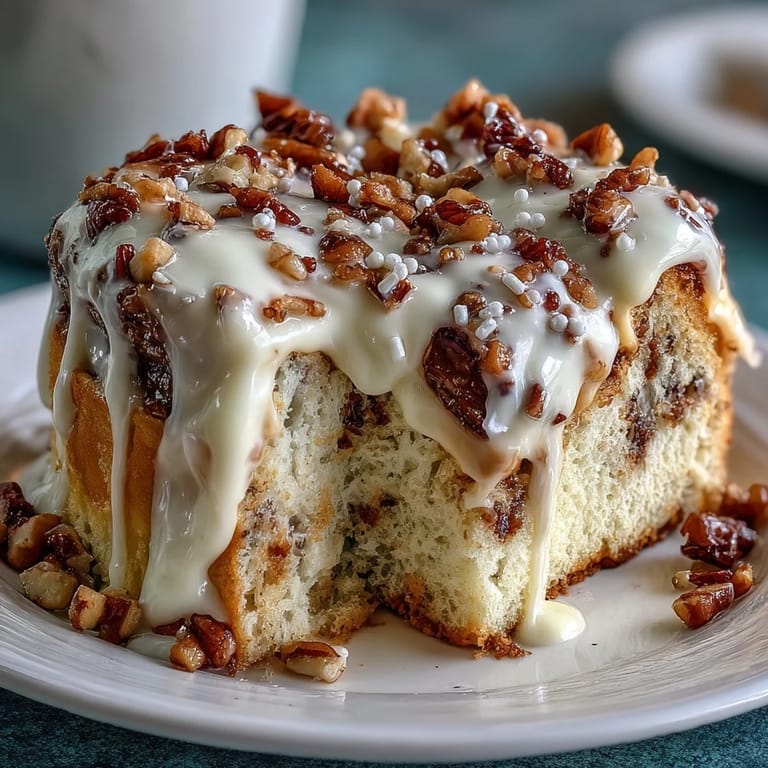
- Spread the buttercream evenly over the cooled cake using an offset spatula or the back of a spoon, then go wild with your sprinkles and decorations. This is the fun part where it stops being just cake and becomes a celebration.
 Save Pin
 What struck me most was how this simple cake became a vessel for someone else's pride and joy. It wasn't fancy or Instagram-worthy in some trendy way, but it was genuine and abundant, which somehow felt more appropriate than anything else could have been.
Why This Cake Works for Crowds
Sheet cakes exist for a reason—they're humble and generous and they feed a lot of people without requiring you to be a pastry chef. This one bakes in a single pan, which means you're not juggling multiple layers or worrying about them sliding around while you frost. The vanilla buttercream is forgiving and stays spreadable even if you're not piping with precision, so you can have it looking beautiful within minutes of the cake cooling.
Customizing for the Occasion
One of the best things about this recipe is how adaptable it is to whoever you're celebrating. You can tint the frosting with school colors using gel food coloring, arrange sprinkles to spell out a graduation year, or even write a message with an edible marker once the frosting has set. I've seen people add a touch of almond extract to the batter for a subtle extra flavor, or even fold in lemon zest if they wanted something brighter. The cake itself is such a clean canvas that it invites personalization.
- Gel food coloring blends in smoothly without making the frosting too thin like liquid dyes would.
- If you're doing piped decorations, chill the frosted cake for 15 minutes first so the surface holds the detail.
- Make it extra celebratory by arranging the sprinkles in stripes or patterns that match your graduation colors.
Storing and Serving Tips
This cake actually gets better as it sits because the crumb has time to absorb the vanilla and become even more tender. You can leave it covered at room temperature for a day, which is perfect for party timing, or refrigerate it for up to four days if you're planning ahead. Just bring it out about 20 minutes before serving so the frosting softens back to its creamy, spreadable state.
A Cake That Celebrates With You
There's something deeply satisfying about baking something this straightforward and watching it bring people together. Whether it's a graduation party, an end-of-school celebration, or just a moment where you want to feed a crowd something genuine and delicious, this cake shows up and does its job beautifully. Bake it, decorate it, and let it be part of someone's memory of a milestone.
- If you're short on time, you can bake the cake the day before and frost it the morning of the party.
- For a gluten-free version, swap the all-purpose flour for a 1:1 gluten-free baking blend and mix it the same way.
- Don't stress about making it perfect—the homemade charm is actually what makes it memorable.
 Save Pin
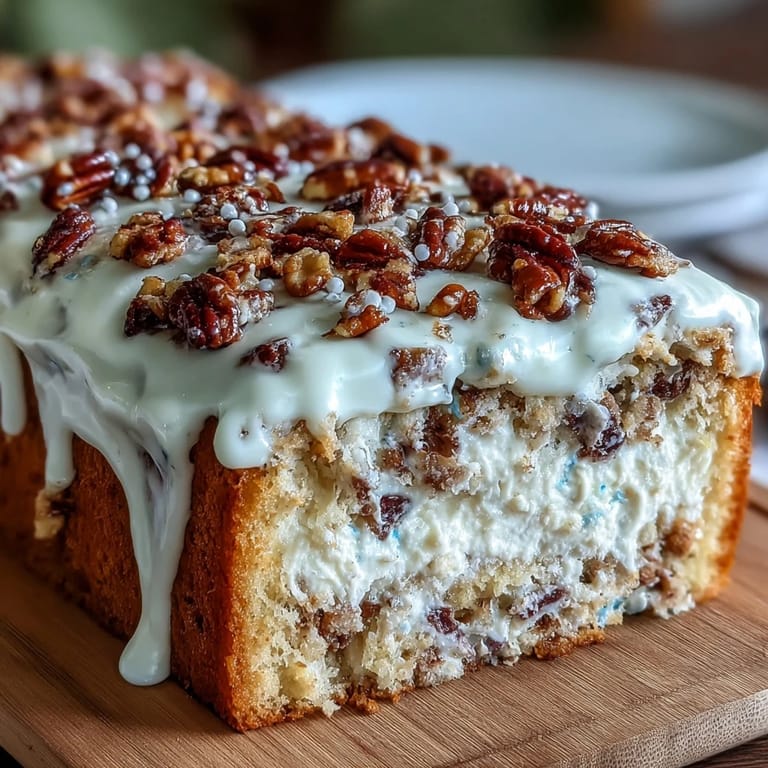
 This cake has become my go-to celebration dessert because it's honest and abundant and it never fails. Make it with pride, knowing you're baking something that will sit in someone's memory long after the last crumb is gone.
Questions & Answers
- → What type of flour is best for this cake?
All-purpose flour works well to create a tender yet sturdy crumb for the sheet cake.
- → Can I substitute the buttercream topping?
Yes, cream cheese frosting or whipped cream can be used as alternatives for different textures and flavors.
- → How do I ensure the cake stays moist?
Carefully measure wet and dry ingredients and avoid overmixing to maintain moisture in the crumb.
- → How should the cake be stored after decorating?
Store covered at room temperature for 1 day or refrigerate up to 4 days to keep freshness.
- → Can I add color to the buttercream?
Gel food coloring can be mixed in to match school colors or party themes without altering texture.