 Save Pin
 My neighbor's wild yard became my greatest kitchen discovery when she casually mentioned her dandelions were taking over everything. Rather than let her pull them all, I asked if I could harvest the bright yellow blooms instead. Standing in her overgrown lawn on a warm spring morning, fingers sticky with pollen, I suddenly understood why foragers get so excited about things most people mow down. That first batch of dandelion jelly turned out liquid and loose, but somehow that accident led me here—to this golden, flower-infused preserve that tastes like bottled sunshine.
I made a batch for my mother's birthday brunch last year, spreading it thick on warm scones while my sister watched skeptically from across the table. The moment she tasted it, her expression shifted from polite interest to genuine delight, and she immediately asked if I'd bring jars to every family gathering from that point forward. That's when I realized this recipe had become more than a kitchen experiment—it was now the thing people remembered me for making.
Ingredients
- Dandelion petals: You'll need about 2 cups of just the yellow petals—this means picking from roughly 8 whole flower heads and carefully removing every bit of green, which takes patience but makes all the difference in flavor and color.
- Water: Four cups creates the base for your tea, and using filtered water if you have it keeps the final jelly tasting purely floral.
- Fresh lemon juice and zest: One whole lemon gives you brightness that cuts through the sweetness; don't skip the zest because it adds tiny bursts of citrus oil throughout.
- Honey: Half a cup adds warmth and complexity that plain sugar never achieves, creating depth in flavor that lingers.
- Granulated sugar: Three and a half cups is what sets the jelly; this amount matters more than you might think because too little won't gel properly.
- Powdered fruit pectin: One box (around 50 grams) does the heavy lifting to give your jelly that perfect wobble, and it's non-negotiable for reliable results.
Tired of Takeout? 🥡
Get 10 meals you can make faster than delivery arrives. Seriously.
One email. No spam. Unsubscribe anytime.
Instructions
- Pick and prepare your petals:
- Rinse the dandelion heads gently and let them dry on a clean towel—wet petals make the next step messier than it needs to be. Pinch off every green sepal and stem until you have only the sunny yellow petals, which takes longer than you'd guess but gives you the pure flavor without any bitter green taste.
- Brew your dandelion tea:
- Combine petals and water in a medium saucepan, bring everything to a boil, then dial back the heat and let it simmer gently for 10 minutes. The kitchen will smell like spring itself—keep the lid off so you can enjoy it while the flowers release their delicate essence into the water.
- Steep and extract:
- Turn off the heat and walk away for 30 minutes, letting the petals surrender completely to the hot water without any further agitation. This patience pays off in flavor that rushing never achieves.
- Strain and measure:
- Pour everything through a fine mesh sieve lined with cheesecloth, pressing gently on the petals to coax out every last drop of liquid. You should end up with about 3 to 3 and a half cups of golden tea—if you have slightly less, add water to reach that amount.
- Build your flavor base:
- Pour the strained dandelion tea back into your clean saucepan and add the lemon juice, lemon zest, and honey all together, stirring until the honey dissolves completely into the warm liquid. This is your moment to taste and adjust—most people are surprised by how subtle the dandelion flavor is at this stage.
- Incorporate the pectin:
- Whisk the powdered pectin in thoroughly and bring the whole mixture to a rolling boil over high heat, stirring constantly so nothing sticks to the bottom. You'll feel the texture begin to thicken slightly, which means it's working.
- Add sugar and reach hard boil:
- Dump all the sugar in at once and return everything to a full, hard rolling boil, stirring constantly for 1 to 2 minutes until the sugar dissolves and the mixture reaches that telltale intense boil where bubbles break at the surface. This is the crucial moment that determines whether your jelly sets properly.
- Skim and jar:
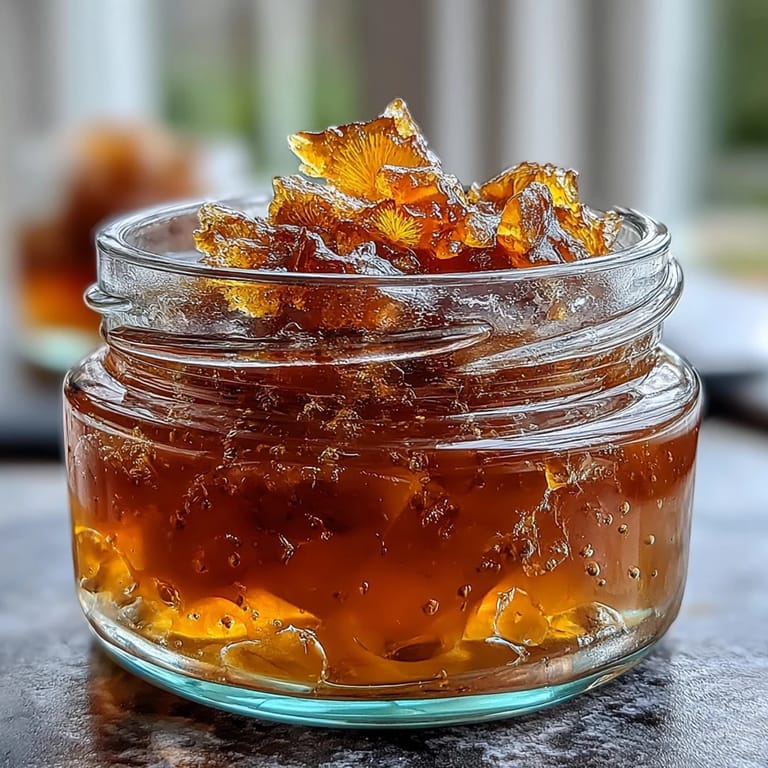
- Remove from heat immediately and use a spoon to skim off the foam that's gathered on top—this keeps your finished jelly looking clear and jewel-like. Pour the hot jelly into sterilized jars, leaving exactly a quarter inch of headspace at the top, then wipe the rims clean with a damp cloth so they seal properly.
- Seal and process:
- Cap your jars with lids and bands, then carefully lower them into a boiling water bath for exactly 5 minutes to create a proper seal. The sound of those lids popping as they cool is oddly satisfying and means you've done it right.
 Save Pin
 There's a moment about three months after making a batch when someone opens a jar you gave them and tells you they've been saving it for something special. That's when you realize you've made something precious, not just delicious. The jelly becomes a bookmark in someone else's year, tasted on quiet Sunday mornings or during celebrations you'll never witness.
Foraging and Sourcing
Finding good dandelions requires knowing your neighborhood better than you might expect. The best patches grow in yards that haven't been treated with chemicals for years, which usually means asking neighbors directly or exploring parks with older, less maintained grounds. I've learned to recognize which yards have been pesticide-free by looking at the overall plant diversity—if you see clover, wild violets, and other weeds thriving alongside the dandelions, you're probably in a safe zone.
The Science Behind the Set
Pectin gets all the credit, but honey and sugar do most of the real work in creating that perfect wobble. The combination of sugar's ability to bind water molecules and pectin's network structure creates a gel that's firm enough to spread but still jiggles gently on your spoon. My first batch failed because I tried to reduce the sugar thinking honey would compensate—it won't, and learning that lesson the hard way taught me to trust the measurements even when intuition says otherwise.
Beyond the Basic Toast
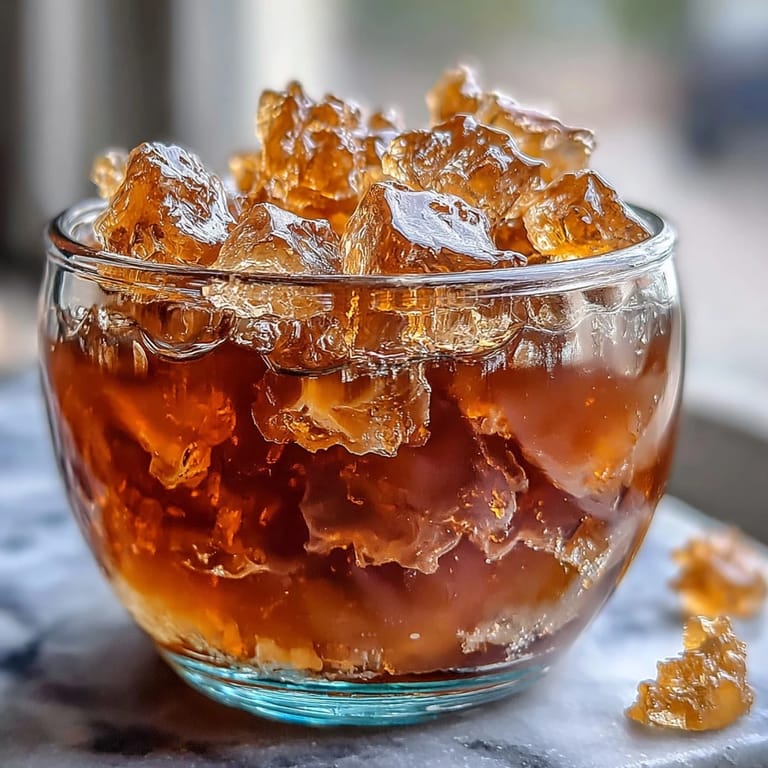
Once you make this jelly, you'll find yourself inventing uses that surprise you. Swirl it into yogurt for an elevated breakfast, use it as a glaze on roasted duck or pork, fold it into whipped cream for an unexpected dessert, or thin it slightly with water to create a syrup for sparkling drinks. The floral quality makes it surprisingly versatile, bridging sweet and savory in ways that feel creative rather than forced.
- Brush it on warm pound cake while it's still slightly warm for a subtle shine and flavor boost that feels intentional.
- Layer it in a jar with mascarpone and crushed pistachios for an impressive no-bake dessert that looks more complicated than it is.
- Keep a jar in your fridge year-round because it pairs with breakfast dishes in any season and makes even plain toast feel like an occasion.
 Save Pin
 Making dandelion jelly changed how I see my neighborhood—every spring lawn now looks like possibility rather than weeds. Share a jar with someone and watch their face when they realize something so beautiful came from their own backyard.
Questions & Answers
- → How do you prepare the dandelion petals before cooking?
Pick fresh dandelion blossoms and carefully remove green sepals and stems, reserving only the yellow petals to avoid bitterness in the final jelly.
- → What role does lemon zest play in the mixture?
Lemon zest adds aromatic oils and bright citrus flavor, enhancing freshness and balancing the honey's sweetness in the jelly.
- → Can honey be substituted with other sweeteners?
Yes, honey can be replaced with agave syrup or similar sweeteners to accommodate dietary preferences without compromising flavor.
- → Why is powdered fruit pectin used in the cooking process?
Powdered fruit pectin helps the mixture gel properly, providing the jelly’s characteristic set and texture.
- → How long should the jelly cool and set after processing?
After canning, the jelly usually takes up to 24 hours to fully cool and achieve its final firm consistency.
- → What tools are essential for preparing this jelly?
A medium saucepan, fine mesh sieve or cheesecloth for straining, sterilized jars, and a boiling water bath for safe sealing are key tools.