 Save Pin
 I'll never forget the Christmas Eve I decided to transform a simple glazed ham into the centerpiece of an entire charcuterie board. My guests arrived expecting a traditional dinner, but instead found themselves standing around this stunning golden ham surrounded by jewel-toned grapes, creamy cheeses, and crusty bread. The way their faces lit up—not just at the food, but at the care and artistry behind it—reminded me that the most memorable meals aren't always the most complicated. They're the ones where you've put thought into making people feel celebrated.
I learned this approach years ago when hosting my first holiday brunch. Instead of serving everything separately, I arranged it all on one magnificent board, and something magical happened. People lingered, they mingled, they built their own perfect bites. What started as a practical solution became my signature move—now friends specifically ask me to bring 'that ham board' to gatherings.
Ingredients
- Boneless ham (3–4 lb): The foundation of everything—choose one that feels substantial but not too large, as you want it to cook evenly and stay juicy. A good bone-in ham adds flavor, but boneless is easier to arrange and slice for a board like this
- Brown sugar and honey: These create that deep caramel crust that catches the light and makes the ham absolutely irresistible. The combination matters—brown sugar gives depth, honey adds shine
- Dijon mustard: The secret ingredient that keeps the glaze from being one-note sweet. It adds sophistication and a subtle tang that makes people wonder what your secret is
- Apple cider vinegar: Just enough acidity to balance the sweetness and keep the glaze from feeling heavy
- Ground cloves: Optional, but if you use it, just a whisper—it's like a gentle reminder of holiday spices rather than a loud announcement
- Aged cheddar: Sharp and reliable, it anchors the cheese selection and pairs beautifully with the ham
- Brie: The creamy, luxurious touch that makes people close their eyes when they taste it
- Blue cheese: For the adventurous bites and those who love a bold flavor
- Gouda: Adds a slightly sweet, smoky note that bridges the savory and sweet elements of the board
- Grapes (red and green): They provide color contrast and natural sweetness that echoes the glaze on the ham
- Fresh strawberries: Their tartness cuts through the richness beautifully—never skip these
- Apple slices: Add them just before serving, as they brown quickly, but they're worth the timing effort
- Cherry tomatoes, cucumbers, and pickles: These are your palate cleansers, the elements that keep people coming back for another bite
- Baguette and assorted crackers: Think of these as edible vessels for all the flavors you've assembled
- Whole grain mustard and fig jam: The condiments that let people customize their experience
- Olives, nuts, and fresh herbs: The finishing touches that say 'I thought of everything'
Tired of Takeout? 🥡
Get 10 meals you can make faster than delivery arrives. Seriously.
One email. No spam. Unsubscribe anytime.
Instructions
- Prepare your glaze:
- In a small saucepan over gentle heat, combine your brown sugar, honey, Dijon mustard, apple cider vinegar, and cloves if using. Stir slowly until the sugar dissolves completely and the mixture becomes glossy and syrupy. You'll know it's ready when it coats the back of a spoon. This should take about 5 minutes—don't rush it, as rushing creates graininess instead of gloss.
- Ready the ham:
- Preheat your oven to 350°F. Place your ham in a roasting pan and, using a sharp knife, score the surface in a gentle diamond pattern—not too deep, just enough to let the glaze seep in and create those beautiful caramelized edges. Think of it like giving the ham a light crosshatch, something to hold onto all that glossy goodness.
- Glaze and roast:
- Brush your warm glaze generously over the entire ham, working it into those scored lines. Roast for 1 to 1.5 hours, depending on the size of your ham, basting with the pan drippings mixed with remaining glaze every 20 minutes. The ham is done when it's heated through and the exterior is deep mahogany with caramelized edges. Your kitchen will smell absolutely incredible.
- Rest and prepare:
- Remove the ham from the oven and let it rest for 15 minutes. This is crucial—it allows the juices to redistribute. During this time, you can slice it into thin, elegant pieces or, if you're feeling creative, gently roll some slices into rose shapes by coiling them on the board. Both are stunning.
- Build your board:
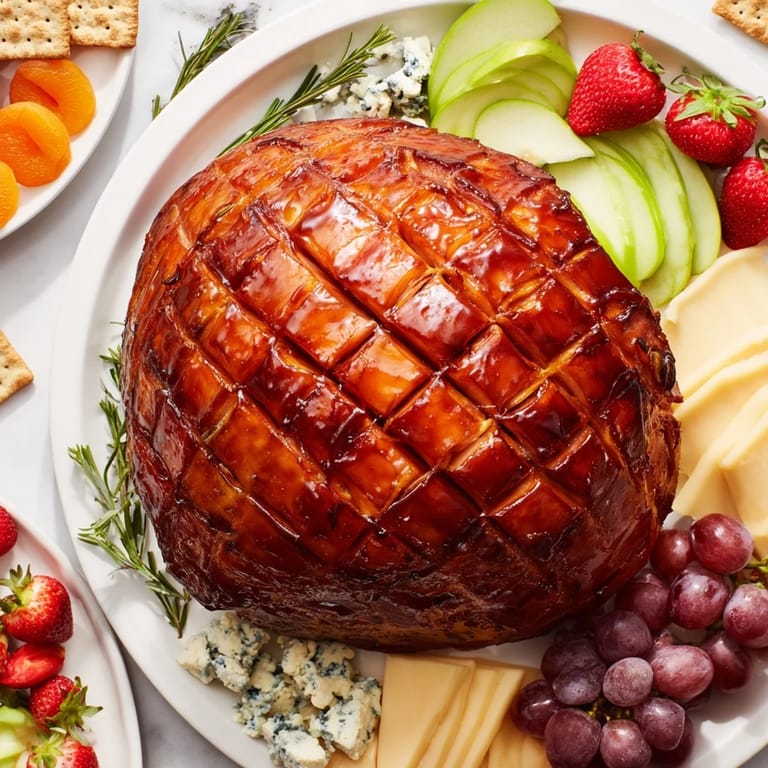
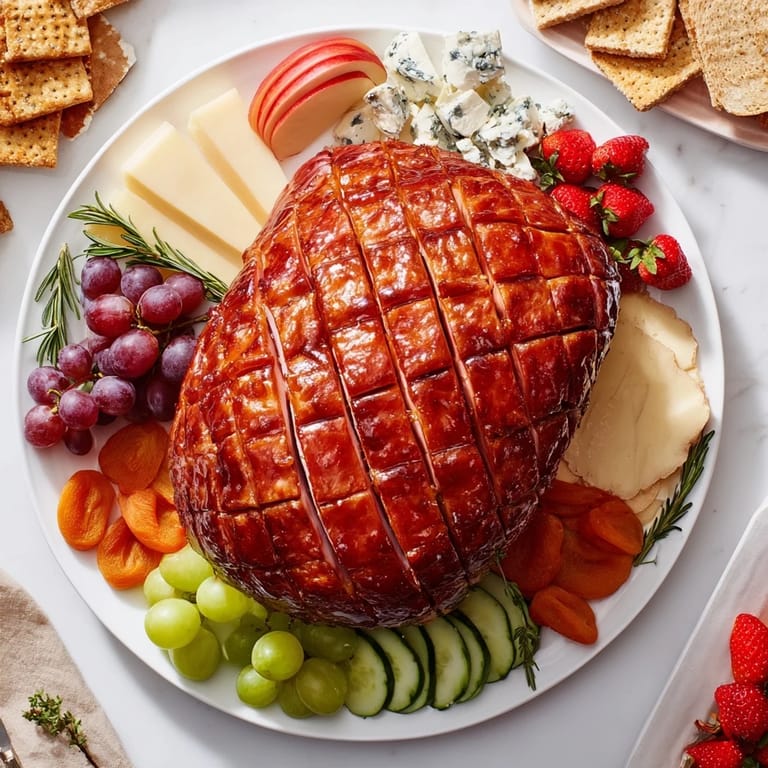
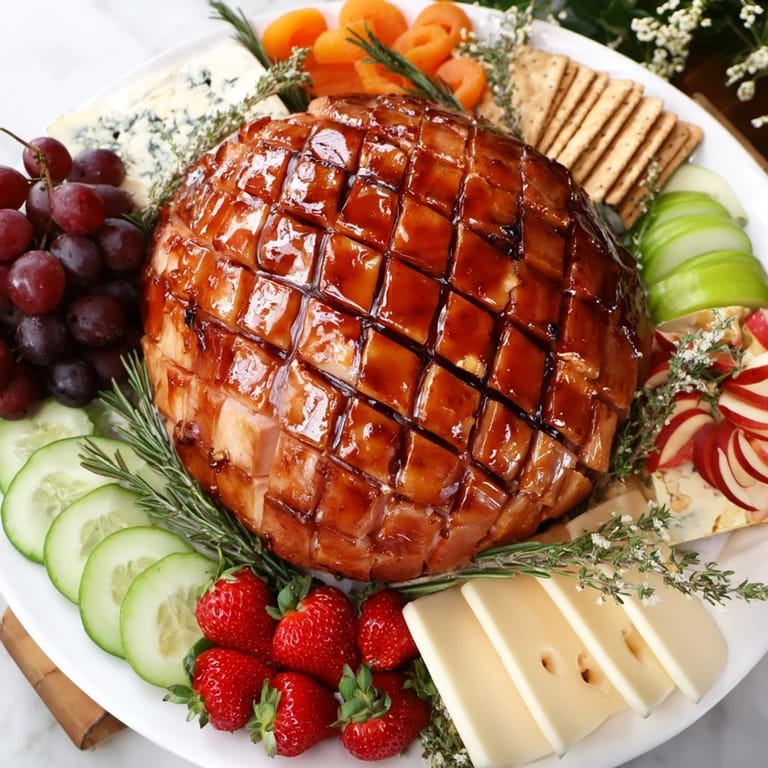
- On a large, beautiful wooden board or platter, position your glazed ham in the center—whether whole, sliced, or as those gorgeous roses. Now comes the fun part: arrange everything else radiating outward like you're creating a painting. Keep similar items grouped together—cheeses in one section, fruits in another—but let colors flow and contrast. There's no wrong way to do this, only the way that makes you happy. Leave some negative space; a board shouldn't look crowded, it should look curated.
- Final touches:
- Scatter fresh herbs like rosemary sprigs and thyme over and around everything. Place your mustard and jam in small bowls on the board. Just before guests arrive, add anything that browns quickly like apple slices. Step back and admire your work—you've just created something truly special.
 Save Pin
 There was a moment during one holiday dinner when I watched my father—a man of few words—pick up a slice of that glazed ham, add some brie and fig jam on a cracker, and just smile. He didn't say anything, just smiled. That's when I understood that this wasn't just about feeding people; it was about creating a moment where everyone feels seen, where everyone can build exactly what they want and feel like a bit of a chef themselves.
The Art of Board Building
Building a beautiful board is less about following rules and more about understanding contrast. Light against dark, soft against crisp, sweet against savory. As you arrange each element, think about how they'll complement each other on the plate. A piece of cheddar next to a strawberry, a cracker near the cornichons, nuts scattered throughout like little treasures. The best boards tell a story—they show care and intention. And honestly, the arrangement matters less than ensuring every person who looks at it sees something they want to try.
Wine and Beverage Pairings
This board sings with the right beverages. Sparkling wine is my go-to—the bubbles cut through the richness of the cheeses and the sweetness of the glaze. A dry cider brings out the apple notes, while a light-bodied red like a Pinot Noir complements the ham beautifully. Even champagne, if you're feeling festive. Non-drinkers will love sparkling apple cider or even a nice ginger ale. The point is to have something that makes people feel celebrated, because they are.
Making It Your Own
This is just a starting point. The beauty of a board is its flexibility. In spring, swap the dried apricots for fresh ones and add edible flowers. In autumn, include roasted figs and candied pecans. Add deviled eggs for protein, include fresh mozzarella for a different texture, or use prosciutto if you want a less formal presentation. The ham glaze recipe is forgiving too—if you love bourbon, add a splash; if you prefer spice, a pinch of cayenne won't hurt. Make this yours.
- Keep a small bowl of lemon juice nearby to prevent apple slices from browning
- If you can't find all four cheeses, pick your three favorites—quality over quantity always
- The nuts can be toasted or roasted just before serving for extra warmth and crunch
 Save Pin
 This glazed ham centerpiece board is my answer to every gathering where I want to impress without stress. It's generous, it's beautiful, and it lets everyone feel like they're part of something special. Make it with love, and watch what happens.
Questions & Answers
- → How is the glaze for the ham prepared?
The glaze is made by gently heating brown sugar, honey, Dijon mustard, apple cider vinegar, and optional ground cloves until syrupy, which is then brushed over the ham during roasting.
- → What cheeses pair well on this board?
Aged cheddar, brie, blue cheese, and gouda provide a balanced variety of flavors and textures that complement the sweet ham glaze.
- → Can the ham be substituted with another protein?
Yes, turkey ham can be used as a pork-free alternative while maintaining a similar flavor profile and presentation.
- → How should the board be arranged for best appearance?
Place the glazed ham or slices at the center, then symmetrically arrange cheeses, fruits, vegetables, breads, and accompaniments radiating outward for visual harmony.
- → What beverages complement this spread?
Sparkling wine, dry cider, or light-bodied red wines pair nicely with the sweet and savory flavors on the board.
- → Are there suggestions for additional items to include?
Adding deviled eggs or pickled vegetables can offer more variety and enhance the overall assortment.