 Save Pin
 There's something almost meditative about making labneh—watching yogurt transform into something entirely different with nothing but time and gravity. I first made it while staying with family in Beirut, where a bowl of it appeared on the breakfast table as casually as butter does elsewhere. My aunt showed me how she'd strain yogurt overnight, and by morning, what seemed like a simple dairy product had become this impossibly creamy, tangy cheese that tasted like summer and tradition folded into one spoonful.
I remember setting out the cheesecloth before bed and waking to the most wonderful smell—something between yogurt and cream, tangy but refined. My partner wandered into the kitchen halfway through day two and asked what it was, and when I let them taste it with warm pita, they understood why I was so excited about what was essentially just waiting for yogurt to become something else.
Ingredients
- Full-fat plain yogurt (1 kg): Use the thickest yogurt you can find—Greek yogurt or strained yogurt does the heavy lifting here, so the final cheese isn't watery or fragile.
- Fine sea salt (½ tsp): Salt doesn't just season; it draws out moisture and deepens the tang, so don't skip it or reduce it.
- Extra-virgin olive oil (2 tbsp): This isn't a finishing touch—it's protection and flavor, keeping your finished labneh silky and preventing it from drying out in the fridge.
- Dried mint or zaatar (1 tsp, optional): These add color and a whisper of flavor that makes people ask what makes your labneh taste special.
- Aleppo pepper or sumac (pinch, optional): A tiny amount brings brightness and just enough heat to make the tasting experience memorable.
Tired of Takeout? 🥡
Get 10 meals you can make faster than delivery arrives. Seriously.
One email. No spam. Unsubscribe anytime.
Instructions
- Salt and stir:
- Pour your yogurt into a bowl and add the salt, stirring until it dissolves completely and the yogurt tastes seasoned throughout. This step seems small, but even salt distribution is what separates labneh that sings from labneh that's bland in some bites.
- Set up your strainer:
- Line your sieve with cheesecloth or a thin kitchen towel, folding it so it covers the bottom and sides completely. Place the whole setup over a deep bowl—you'll be surprised how much liquid drains out over the hours.
- Add the yogurt:
- Pour the salted yogurt into the lined sieve and gather the cloth edges up and over the top like you're wrapping a gift. This keeps things tidy and prevents any dust from settling into your cheese.
- Let time do the work:
- Cover loosely and refrigerate for 12 to 24 hours depending on how thick you want it—12 hours gives you something spreadable and luxurious, while 24 hours creates a firmer cheese you could almost roll into balls. You'll notice the whey collecting in the bowl below, which is satisfying proof that something is actually happening.
- Transfer to a serving dish:
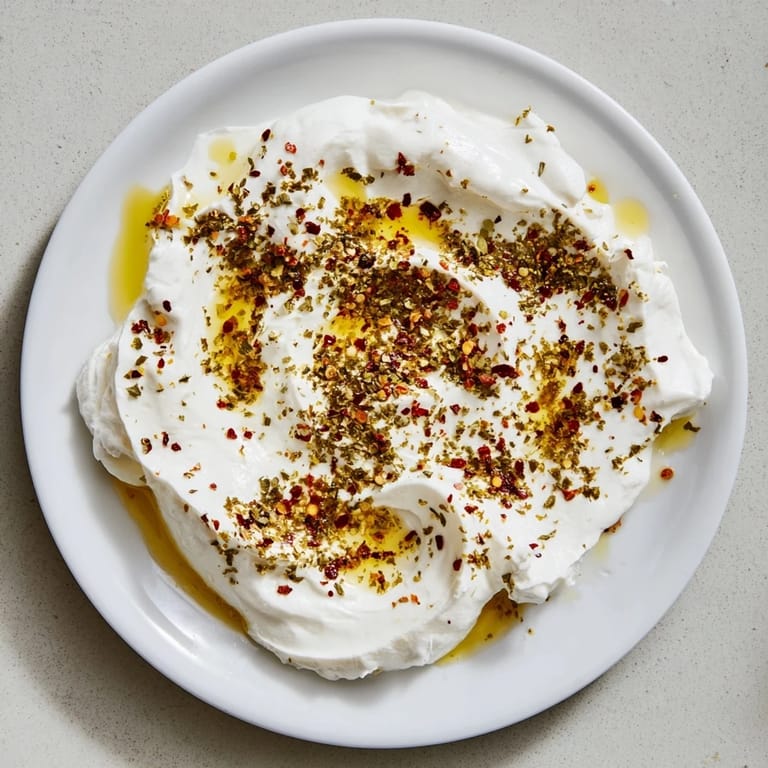
- Once it's reached your desired thickness, scoop it into a shallow bowl or onto a plate. The texture should look creamy and slightly billowed where the cloth has left gentle impressions.
- Dress it up:
- Drizzle the olive oil generously over the top in a thin stream, letting it pool slightly in the center. Sprinkle the dried herbs or spices if you're using them, and serve chilled alongside warm pita or vegetables.
 Save Pin
 The first time someone tasted my labneh and closed their eyes while eating it, I realized this wasn't just about technique—it was about offering something made with genuine care. Now every batch feels like a small act of hospitality, even if it's just for myself on a Sunday morning.
Choosing Your Yogurt Matters
Not all yogurts are created equal, and this recipe makes that obvious in the best way. Greek yogurt or any yogurt labeled as strained is your best friend here because it already has much of the whey removed, meaning your labneh will be thick and creamy rather than loose. Full-fat regular yogurt can work, but you might need to strain longer or accept a slightly softer final product. I once tried making it with low-fat yogurt out of misguided health thinking and ended up with something more like Greek yogurt than actual labneh—a lesson in respecting what a recipe asks for.
The Straining Process Explained
Straining is essentially asking gravity to do your work while you live your life, which is honestly the dream of home cooking. The whey that collects below tastes sharp and salty, and while some people discard it, others have started drinking it for supposed health benefits or using it in baking. The longer your labneh strains, the more transformative the process becomes—at 12 hours you have something silky and spreadable, but push it to 24 hours and the texture becomes almost custard-like, with the ability to hold its shape on a plate.
Serving and Storage Secrets
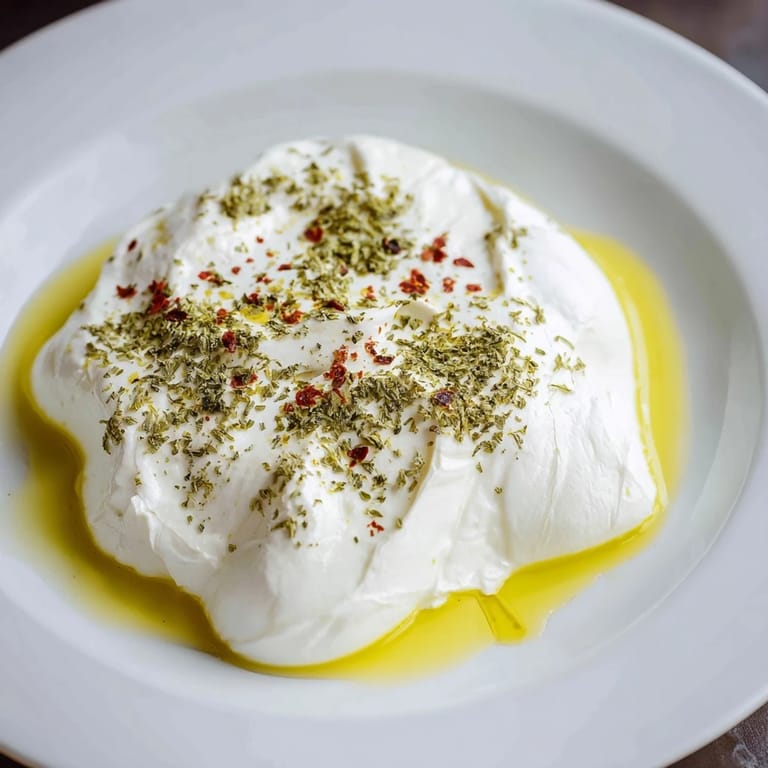
Labneh is genuinely one of the most flexible things you can make in your kitchen, living confidently in multiple contexts. Spread it on toast with a drizzle of olive oil and a crack of pepper for breakfast, dollop it onto a mezze platter next to olives and vegetables, or thin it slightly with a little yogurt to use as a sauce for grilled vegetables or roasted chicken. It keeps beautifully in the refrigerator for up to five days when stored in an airtight container with a thin layer of olive oil on top, which creates a gentle seal that keeps it from drying out.
 Save Pin
 Making labneh taught me that sometimes the most elegant food comes from the simplest process—waiting, watching, understanding what time can do. It's a dish that rewards patience without demanding skill, which might be the most honest thing a recipe can offer.
Questions & Answers
- → What is labneh and how is it made?
Labneh is a creamy Middle Eastern cheese created by straining yogurt to remove whey, resulting in a thick, tangy spread with a smooth texture.
- → How long should yogurt be strained for labneh?
Strain yogurt between 12 to 24 hours, depending on desired thickness—12 hours for a softer spread and up to 24 hours for a firmer consistency.
- → Can labneh be served warm or only chilled?
Labneh is traditionally served chilled, which enhances its creamy texture and tangy flavor, perfect as a cool appetizer or spread.
- → What garnishes enhance labneh’s flavor?
Extra-virgin olive oil drizzles, dried mint, zaatar, Aleppo pepper, or sumac add aromatic and flavorful touches to labneh.
- → Is it possible to make vegan labneh?
Yes, using a thick plant-based yogurt alternative allows creation of a similar tangy spread suitable for vegan diets.
- → How should labneh be stored and for how long?
Keep labneh refrigerated in an airtight container where it stays fresh for up to 5 days.