 Save Pin
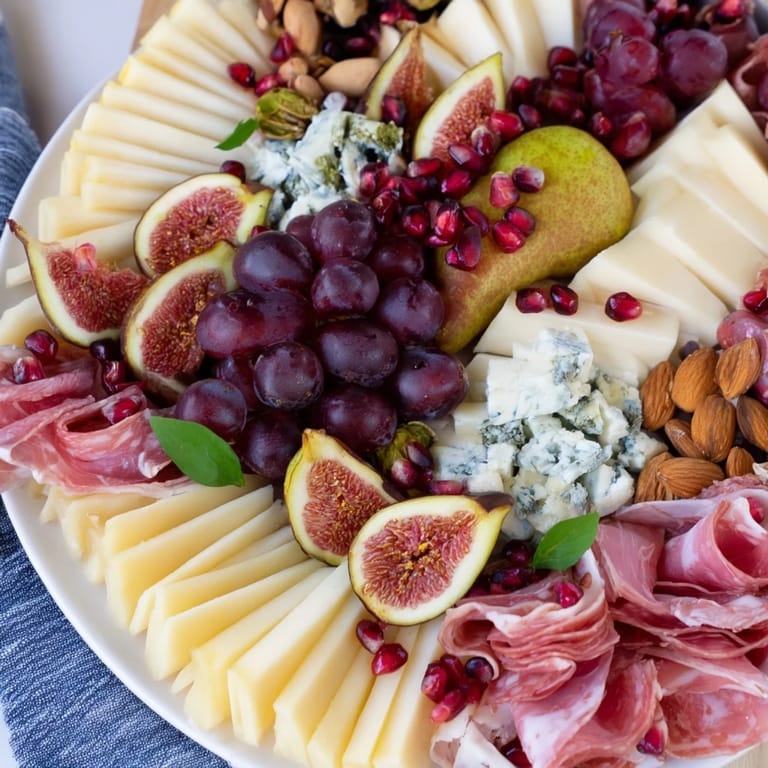
 I'll never forget the first time I created a cheese board that made someone gasp. It wasn't the flavors alone—it was the moment my friend's eyes lit up as she saw the pomegranate arils scattered like edible jewels across a diagonal line of creamy, aged, and pungent cheeses. That's when I realized a board isn't just about feeding people; it's about creating a moment of beauty they can eat. This Pomegranate Jewel Cascade has become my signature move, the one thing I'm asked to bring to every gathering.
I remember setting this board out for my sister's book club, and within minutes, three different people asked for the recipe. The combination of textures—the creamy goat cheese melting on your tongue, the crunch of toasted pistachios, the jewel-like pop of pomegranate—created this conversation that kept going long after everyone had finished eating. That's when I knew this wasn't just a board; it was a centerpiece that brought people together.
Ingredients
- Creamy goat cheese, 100g sliced: This is your canvas—soft, slightly tangy, and forgiving. I learned the hard way that slicing it cold makes it easier; let it warm up just enough to spread beautifully on crackers.
- Aged Manchego, 100g sliced: The golden standard of Spanish cheese boards, nutty and firm. It holds its shape in the cascade and adds elegance without pretension.
- Blue cheese, 100g crumbled: A bold flavor that needs no apology. Crumble it just before arranging so it stays visibly distinct and doesn't get lost in the other textures.
- Prosciutto, 80g thinly sliced: Paper-thin is key—it should drape like fabric, not sit like cardboard. I buy it fresh from the counter, never pre-packaged.
- Spicy salami, 80g thinly sliced: The heat here balances the sweetness of pomegranate and dried fruits. It's the underscore that makes everything pop.
- Large pomegranate, arils only: These are your jewels—the whole reason for the name. Score the skin, soak in water, and the arils practically fall out. They're tart enough to feel fresh among rich cheeses.
- Red grapes, halved: Sweet, simple, and they add juicy moments between bites of cheese. I halve them so they don't roll across the board.
- Ripe pear, thinly sliced: Slice it at the last possible moment and toss in a splash of lemon juice to prevent browning. The sweetness here is gentle, not aggressive.
- Apple, thinly sliced: Another acid-forward fruit that keeps your palate awake. Granny Smith works better than Fuji because of the tartness.
- Dried apricots, 50g halved: These add chewiness and a concentrated sweetness that plays beautifully with salty cured meats. Don't buy the super-soft kind; you want a little resistance.
- Dried figs, 40g sliced: Almost jammy when paired with blue cheese. I slice them fresh on the board so they look intentional, not pre-cut.
- Toasted pistachios, 40g: The nutty flavor and that beautiful green color are non-negotiable. Toast your own if you can; the difference is remarkable.
- Roasted almonds, 40g: Neutral enough to not compete, just adding crunch and presence. I sometimes toss mine in a pinch of sea salt.
- Honeycomb piece, small: Golden, sticky, luxurious. It's the finishing touch that says you went the extra mile, even though it's just sitting in a small bowl.
- Fig jam, small jar: The bridge between sweet and savory that makes people understand what all the fuss is about. Serve in the jar or transfer to a small bowl.
- Crusty baguette, sliced: The foundation. A good baguette has a crispy crust and airy crumb. Slice it fresh and arrange it where people will see it first.
- Artisan crackers, 80g: Different shapes and textures add visual interest. I mix two or three varieties—some seed-studded, some plain, some herbed.
- Fresh mint leaves: The final whisper of freshness that ties everything together visually and aromatically.
Tired of Takeout? 🥡
Get 10 meals you can make faster than delivery arrives. Seriously.
One email. No spam. Unsubscribe anytime.
Instructions
- Envision your cascade:
- Set your large board in front of you and imagine a diagonal line flowing from top left to bottom right. This is your guide, your North Star. It doesn't have to be perfectly straight—the eye forgives gentle curves, and they actually look more natural.
- Build the cheese foundation:
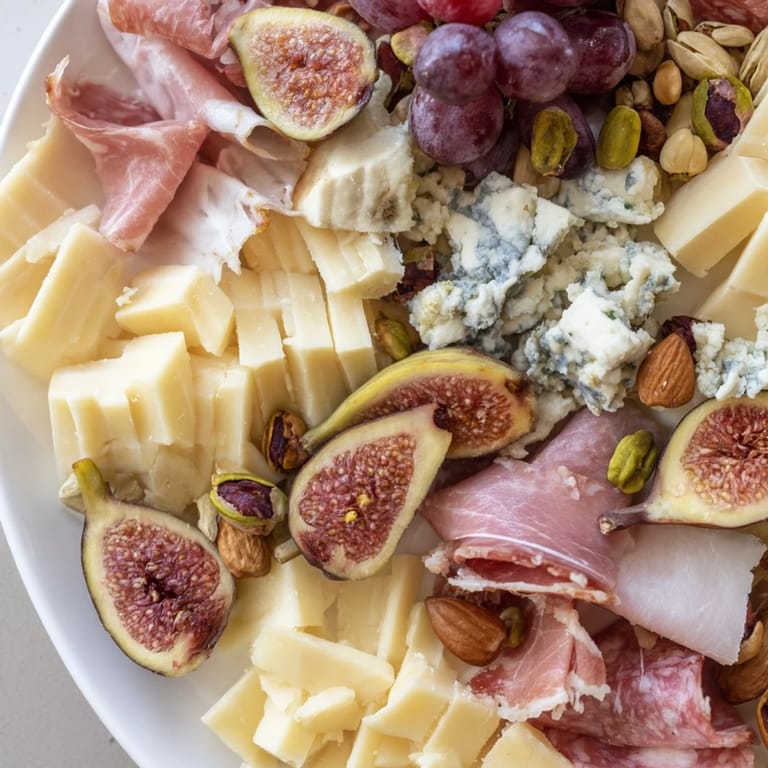
- Start placing your cheeses along this diagonal. Alternate goat cheese, Manchego, and blue cheese so each type stands distinct. Layer them slightly overlapping, like you're creating a edible pathway. The goat cheese can be sliced into rounds or irregular pieces—both work beautifully.
- Fold in the cured meats:
- Now take your prosciutto and salami and gently gather them into loose, pillowy folds. Tuck them between the cheese sections, letting edges overlap in that casual, elegant way that says you didn't overthink it but also clearly knew what you were doing. The meats should look like fabric draped across a gallery wall.
- Thread the fresh and dried fruits:
- Working along your diagonal cascade, intermingle sliced pears, apples, and grape halves. Then add the dried apricots and figs. You're creating rhythm and color contrast—the fresh fruits adding brightness, the dried ones adding depth. Step back and look; you should see color graduation happening naturally.
- Scatter the pomegranate jewels:
- This is the moment that changes everything. Generously sprinkle pomegranate arils across the entire board, with clusters gathered along your diagonal line for maximum impact. They should look like someone casually scattered precious gems, not scattered salt. The jewel effect is everything here.
- Add the crunch:
- Tuck your toasted pistachios and roasted almonds into gaps and crevices. They'll catch light and add visual texture that makes the board feel alive and intentional.
- Position the condiments:
- Place your small bowl of honeycomb at one end of the cascade and your fig jam at the other. They're the anchors, the punchline to the setup. People will gravitate toward them, and that's exactly what you want.
- Frame with bread and crackers:
- Fan out your baguette slices along both sides of the diagonal, and scatter your crackers in between and around. They should look plentiful and accessible—the invitation to start eating.
- Finish with mint:
- Scatter fresh mint leaves across the board—not to hide anything, but to add that final brushstroke of color and aroma. Mint says this is a celebration.
- Serve with intention:
- Bring the board to room temperature if anything was chilled, and present it immediately. The moment between creation and first bite is sacred. Let people absorb the beauty before they start rearranging.
 Save Pin
 What moved me most was watching my skeptical father—the man who said decorative food was a waste of time—carefully craft a bite of goat cheese, pomegranate, and prosciutto, then close his eyes while he chewed. He didn't say much, but he came back for seconds, then thirds. Later, he asked if I could make it for his work gathering. That's when I understood: this board isn't just beautiful. It's delicious. And when something is both, it becomes a memory.
The Geometry of Flavor
What makes this board work isn't just individual ingredients—it's the way they play against each other. The richness of blue cheese is answered by the brightness of pomegranate. The saltiness of cured meat is gentled by sweet fig jam. The soft cheeses are contrasted by the snap of toasted nuts. Every element exists to create conversation between flavors, not just on your taste buds but in the physical experience of building your own bite. When you're standing at a board like this, you're not just eating; you're composing.
Setting the Scene
A board like this deserves ceremony. I've learned that the presentation matters as much as the taste. Use your best serving platter—something wooden or marble that sets a tone. Arrange everything while people can see you, or better yet, have it waiting as a centerpiece. The board itself is a conversation starter. It says you know how to bring people together, and it says you respect them enough to make something that feeds both appetite and beauty. Dimmed lights, good company, and letting this board be the focal point of the table—these are the conditions where magic happens.
Variations and Invitations
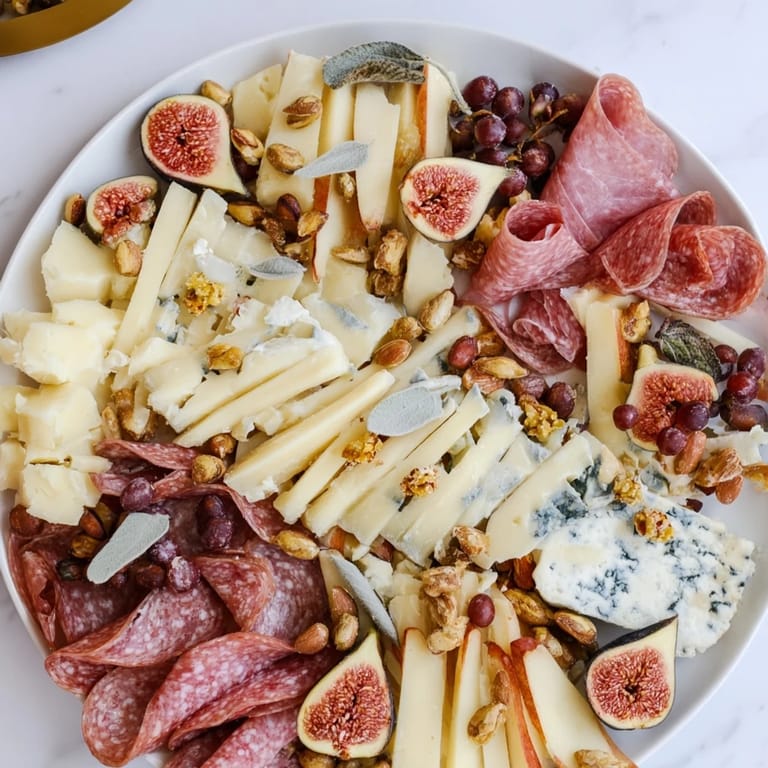
This board is forgiving. It invites you to make it your own, to substitute based on what's in season or what you love. Brie instead of goat cheese? Absolutely. Prosciutto swapped for spicy coppa? Do it. No pomegranate at your market? Pomegranate molasses drizzled over everything else adds the tart note you need. The structure stays, but the details are yours. That's the secret to boards—they're not recipes so much as conversations about what tastes good together. Here are a few thoughts on variation that have worked beautifully for me:
 Save Pin
 A board like this reminds me why cooking matters. It's not about perfection; it's about creating something beautiful enough to make people pause, something delicious enough to make them smile, and something generous enough to bring them closer. That's the real cascade you're creating here.
Questions & Answers
- → What cheeses are included in the cascade board?
The board features creamy goat cheese, aged Manchego slices, and crumbled blue cheese arranged diagonally.
- → Can the cured meats be omitted for dietary preferences?
Yes, removing prosciutto and spicy salami creates a vegetarian-friendly option packed with nuts and fruits.
- → How are the pomegranate arils used in the arrangement?
Pomegranate arils are generously sprinkled along the diagonal cascade, creating clusters that mimic jewels.
- → What accompaniments are served alongside the cascade?
Honeycomb, fig jam, artisan crackers, and sliced crusty baguette flank the board for complementary flavors.
- → How can the nuts be customized for this board?
Toasted pistachios and roasted almonds add crunch, but other nuts can be substituted based on preference.
- → What drink pairings complement this board?
Pair with a crisp rosé, sparkling wine, or a non-alcoholic pomegranate spritzer for balanced flavors.