 Save Pin
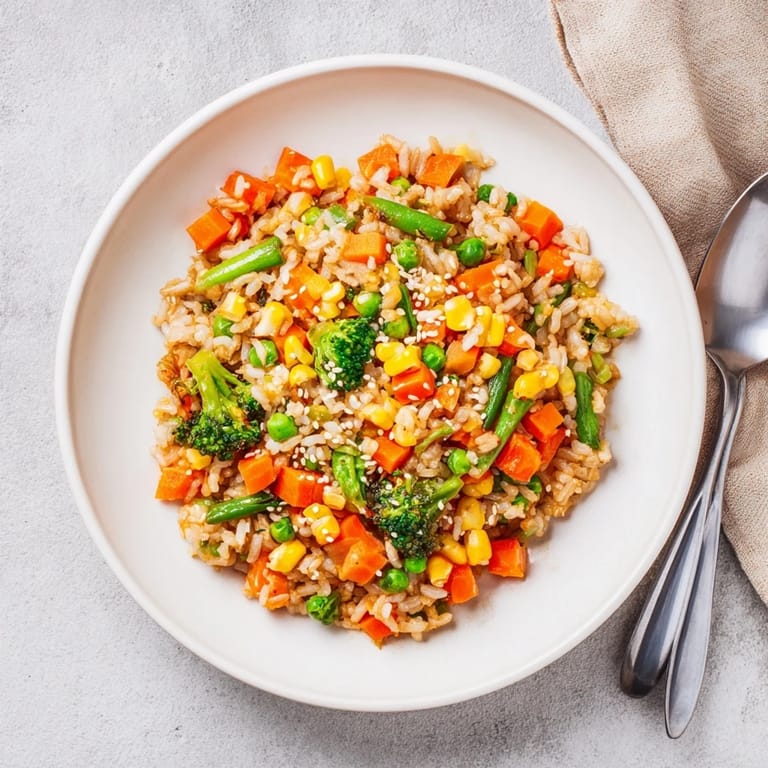
 I stumbled upon this vegetable fried rice recipe during a rainy weekend when my pantry was nearly empty except for rice and an odd assortment of vegetables. The sizzle of ginger hitting the hot wok and the aromatic cloud that filled my kitchen instantly transported me. What began as a simple cleanout-the-fridge meal has since become my go-to comfort dish, appearing on my table at least twice a month.
Last autumn, I brought this fried rice to a potluck where dietary restrictions had everyone worried about finding common ground. As the dish made its rounds, I watched faces light up with surprise and delight. A friend with celiac disease asked for the recipe, and her daughter who typically avoided vegetables took a second helping. That evening, a simple pan of colorful rice became a bridge between different eating habits.
Ingredients
- Day-old rice: This is non-negotiable in my kitchen after learning that fresh rice turns mushy, while rice thats been chilled develops the perfect texture that separates beautifully in the wok.
- Diced carrots: I discovered that cutting them slightly smaller than the other vegetables ensures they cook through without requiring too much time in the pan.
- Minced ginger: The aromatic foundation that elevates this dish from basic to memorable, especially when you let it bloom in hot oil until your kitchen smells like a proper Asian restaurant.
- Sesame oil: Just a tablespoon transforms the entire dish, adding a nutty depth that makes people wonder about your secret ingredient.
- Green onions: Reserve the darkest green parts for garnish to add a fresh bite that cuts through the richness of the finished dish.
Tired of Takeout? 🥡
Get 10 meals you can make faster than delivery arrives. Seriously.
One email. No spam. Unsubscribe anytime.
Instructions
- Prep with purpose:
- Have all vegetables chopped and arranged before heating your wok, as this dish moves quickly once you start. The orderly rainbow of prepped vegetables on my cutting board always brings a sense of accomplishment before I even begin cooking.
- Create the aromatic base:
- Heat your wok until a drop of water sizzles instantly, then swirl in the vegetable oil before adding ginger and garlic. Youll know youve hit the sweet spot when the fragrance rises but nothing browns.
- Layer your vegetables strategically:
- Add firmer vegetables first, keeping everything moving constantly with your spatula. The vegetables should maintain vibrant colors and slight crispness, not wilt into submission.
- Master the rice break-up:
- When adding cold rice, use the back of your spatula to press down and break apart any clumps against the hot surface of the wok. Listen for that satisfying sizzle that signals youre developing flavor, not just reheating.
- Season with restraint:
- Drizzle soy sauce and sesame oil around the perimeter of the wok so it heats against the surface before hitting the rice. This creates a more complex flavor than simply dumping sauce in the middle.
 Save Pin
 One evening during a power outage, I made this fried rice on my camping stove by flashlight. The familiar motions and scents became almost meditative in the dark kitchen. My family gathered around the soft glow of candles, and somehow that simple meal, eaten under unusual circumstances, sparked a conversation about our most memorable dinners together. Now sometimes we turn off the lights on purpose when I serve this dish.
Customizing Your Vegetable Mix
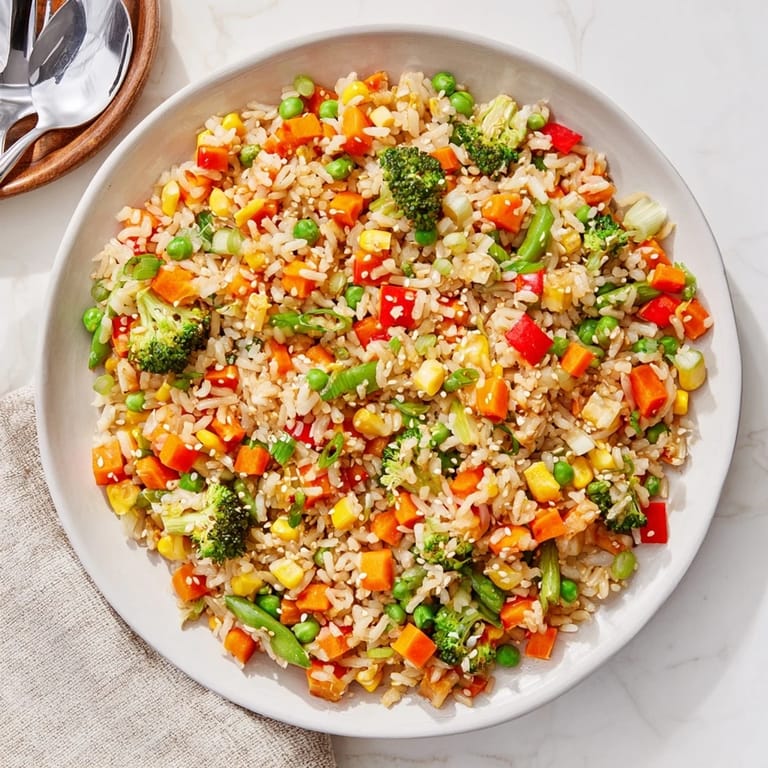
Through countless iterations, Ive discovered that the 3-3-3 approach works perfectly: three crunchy vegetables, three colorful vegetables, and three aromatic elements. This balance guarantees texture and depth without any single ingredient overwhelming the others. My children now request specific combinations like the orange version with butternut squash, carrots, and corn, or the green garden mix with peas, broccoli, and zucchini.
Making It a Complete Meal
While beautiful on its own, this fried rice transforms into a full dinner with simple additions. A quick scramble of eggs folded in provides protein, or for plant-based guests, cubed tofu marinated in a bit of the same soy sauce creates cohesion. When feeding a crowd, I often set out small bowls of extras like crushed peanuts, sriracha, and lime wedges, turning dinner into an interactive experience where everyone customizes their portion.
Storage and Reheating Secrets
Unlike many leftovers that diminish with time, this fried rice often tastes even better the next day as the flavors meld in the refrigerator. The texture holds beautifully when stored in a shallow container rather than a deep bowl, allowing it to cool quickly and evenly.
- When reheating, add a tiny splash of water to the pan to create steam that revives the rice without drying it out.
- For lunch boxes, pack a small container of extra soy sauce or sesame oil to refresh the flavors just before eating.
- If you find yourself with extra green onions, chop and freeze them in a small jar to have ready for the next batch.
 Save Pin
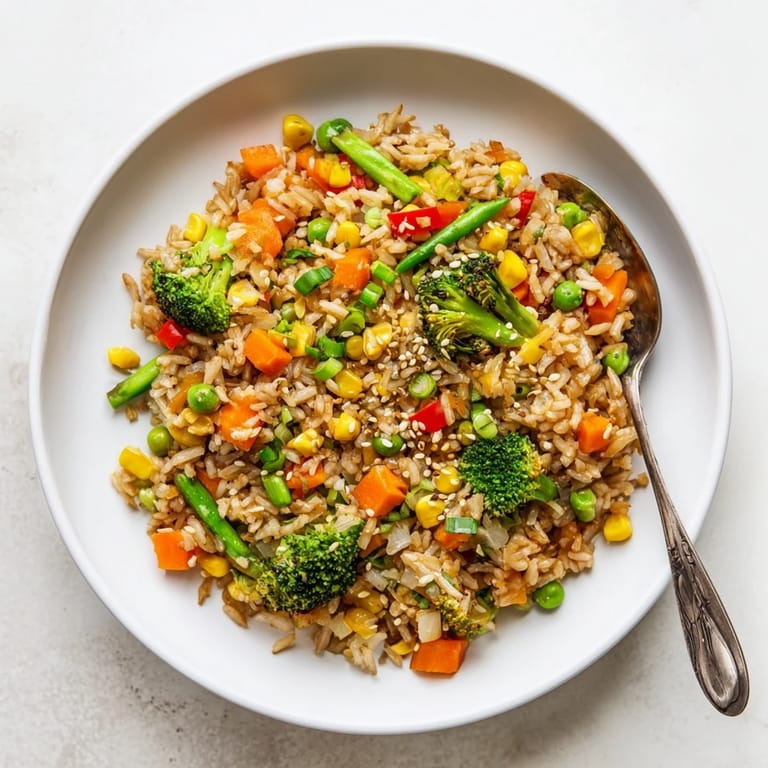
 This colorful vegetable fried rice has taught me that sometimes the most satisfying dishes come from necessity rather than planning. It reminds me that cooking is as much about adaptation and resourcefulness as it is about following rules.
Questions & Answers
- → Why should I use day-old rice?
Day-old rice is drier and separates easily when stir-fried, preventing mushiness. Fresh warm rice tends to clump and absorb too much oil, resulting in a soggy texture.
- → Can I substitute any vegetables?
Absolutely. Use mushrooms, zucchini, snap peas, water chestnuts, or baby corn. Keep a similar ratio of vegetables to rice and adjust cooking times based on firmness.
- → How do I make this gluten-free?
Replace regular soy sauce with tamari or certified gluten-free soy sauce. Both provide authentic flavor without wheat content. Always verify other ingredients for hidden gluten.
- → What protein options work best?
Scrambled eggs, tofu cubes, cashews, or chickpeas integrate seamlessly. Add proteins after stir-frying vegetables and before the rice for even distribution and optimal texture.
- → How can I add heat to this dish?
Incorporate chili sauce, sriracha, or fresh diced chilies during the final toss. Start with small amounts and adjust to your spice preference. Chili oil also works well.
- → What equipment do I need?
A large wok or deep skillet works best for proper heat distribution and tossing. A wooden spoon or spatula, chef's knife, and cutting board complete the essentials.